Education Center
Here to Help. Always.
Save up to $120 on Vredestein tires and get the lowest tire price guaranteed! Turn to VIP!
Shop Tires Today!

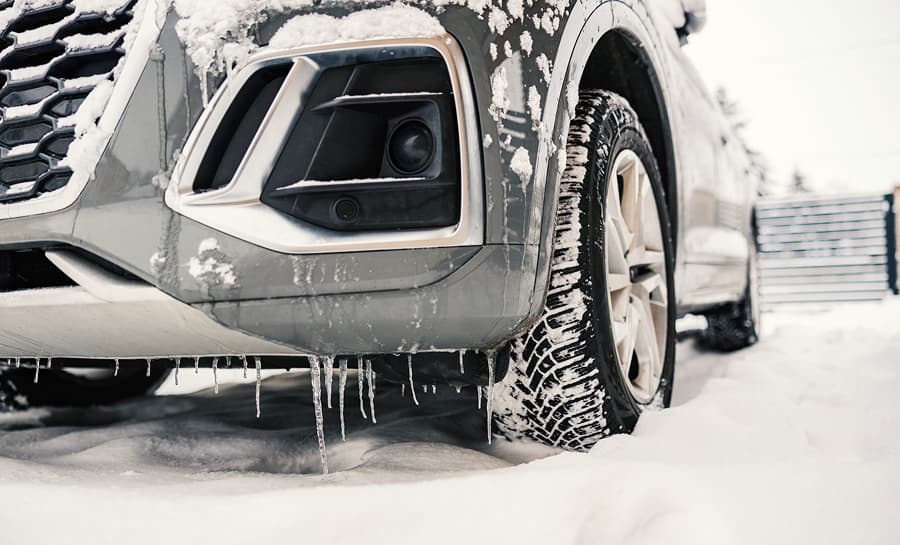
It’s winter tire changeover time again, which means it’s time to get your winter tires installed. If you don’t have a set yet, now’s a great time to buy one so you’re ready for whatever New England roads throw at you this season.
If you’re thinking about saving money with used snow tires, take a minute and read this first. A used set might look like a bargain, but it can cost you more in the long run, in both money and safety.
Let’s take a closer look at how used winter tires stack up against new ones.
First, a little context. Snow tires, also called winter tires, get their performance from two things: the rubber they’re made of and their tread design.
All-season tires use a firmer rubber for stability across a wide range of temperatures. Snow tires use a softer compound that stays flexible when temperatures drop below 45°F, which gives you better grip and shorter stopping distances in the cold.
Winter tire design is different, too. All-season and performance tires use shallower, simpler tread patterns because more rubber on the road means more grip on dry pavement. In snow, slush, and ice, you need a snow tire’s deeper, more aggressive tread to channel snow and slush away. This lets thousands of tiny slits, called sipes, bite into slick surfaces. Without that design, icy muck packs into the tread and your grip drops fast.
New England winters are especially hard on tires, and even dedicated winter tires lose their edge over time. Here’s why:
Even if you’re a perfect driver, time and the elements take their toll. When you buy used tires, you’re also buying the previous owner’s wear and risk.
We’ve written before about the risks of buying used tires vs. new, and everything in that post goes double for used snow tires. With a used tire, you’re taking a chance on its condition, real age, wear, and reliability.
When your tires aren’t matched in wear and condition, your vehicle can’t brake, corner, or handle as it should, which puts even more strain on the tires. For all-wheel drive (AWD) vehicles, it’s even worse, as mismatched wear on tires can cause drivetrain strain and major repairs down the road. It’s a cycle that can turn a minor issue into a major headache quickly.
That’s especially true in New England. Cold temperatures and road salt break down rubber, while potholes from freeze-thaw cycles chew through tread. Less tread means more problems. Snow traction passes the point of diminishing returns when the tread has worn down to approximately 5/32″ of remaining depth, long before a tire is legally worn out.
Buyer beware that a used snow tire that still looks like it has plenty of tread may already be past its best winter performance.
| New Snow Tires | Used Snow Tires | |
| Average upfront cost (per tire) | About $100–$325 | $25–$100, depending on size, brand, and remaining tread |
| Expected winter lifespan | 4–6 seasons | 1–3 seasons, depending on remaining tread and how the tires were stored |
| Estimated lifespan (miles) | About 30,000–40,000 miles | Unknown; only whatever tread life remains |
| Manufacturer warranty | Yes for manufacturer defects; other coverage varies based on brand | No |
| Recall alert eligibility | Yes | No |
| Tread depth at purchase | Known; new winter tires start with a depth of around 12/32″ | Unknown; must be measured, and may already be near the point where snow grip declines |
| Cold-weather grip rating | Guaranteed; the 3PMSF symbol means the tire passed standardized snow-traction tests | Not guaranteed; the symbol stays on the sidewall even after the tread wears and the rubber hardens |
| Safe for New England black ice and freezing rain? | Yes; the best non-studded option for icy roads (always drive with caution) | Questionable; worn tread and hardened rubber reduce grip on ice; missing or damaged studs will reduce performance |
Sometimes the best way to save money is to get more value from what you buy, not just to pay less up front. Here’s how new tires can save you money over time compared with cheaper used ones:
You can stretch your budget even further with promotions and good tire care:
Want to find the best winter tire for your vehicle? See what VIP’s Certified Automotive Professionals recommend for New England winter roads.
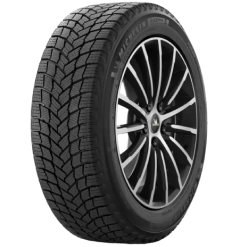
The Michelin X-Ice Snow+ is a studless winter tire certified for both snow and ice that’s designed to handle everything a New England winter throws at you, from black ice and deep snow to slush and cold, wet pavement.
Key specs:
VIP note: Whether you drive a sedan, FWD car, SUV, or AWD vehicle, the X-Ice Snow+ is hard to beat for all-around winter performance. It pairs top-tier grip on snow and ice with exceptional handling, so you can stay confident in any driving situation, from an icy morning commute to a highway drive in a snowstorm, without having to worry about stud rules.
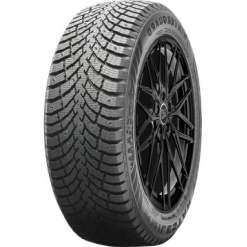
The Milestar Winterguard is a budget-friendly winter tire that performs well above its price point. It’s one of the few tires in its class certified for both severe snow and severe ice, which makes it a strong choice for New England’s icy roads.
Key specs:
VIP note: The Winterguard is a great value that makes winter tires possible on nearly any budget. With ice certification and the option to add studs, it delivers the kind of winter traction you’d usually expect to pay more for.
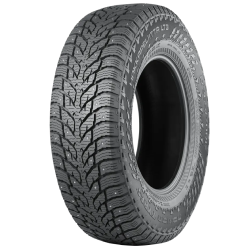
If you’re looking for serious snow, slush, and ice traction, the Finnish-designed Nokian Hakkapeliitta 01 has you covered. Its studs automatically adjust with the temperature, engaging for grip on ice in deep cold and easing back for a smoother, quieter ride on bare pavement.
Key specs:
VIP note: The Hakkapeliitta 01 is ideal for drivers in northern New England, where ice and hard-packed snow can linger for months. It’s a strong choice if you regularly drive rural roads or hills that aren’t plowed or treated right away, or if your commute puts you on black ice in the early morning or late at night. Because its studs retract on bare pavement, it also suits drivers who want studded-tire grip on ice but still spend time on cleared highways. Available in sizes for sedans, crossovers, SUVs, and EVs, it’s a versatile option for a wide range of vehicles that need serious winter traction.
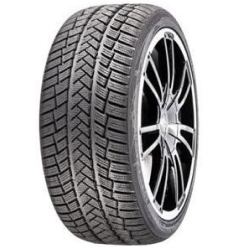
The Vredestein Wintrac Pro+ is a premium performance winter tire built for drivers who want confident handling and stability on cold, snowy, and wet roads. Its flexible, silica-rich compound and slush-clearing tread deliver strong grip and braking, while its high-speed stability and quiet ride make it comfortable for highway driving.
Key specs:
VIP note: We recommend the Wintrac Pro+ for drivers of sedans, FWD cars, SUVs, and AWD vehicles who want excellent winter performance without giving up the responsive handling and comfort they’re used to during the rest of the year. It’s an especially good fit if most of your winter driving is on plowed and treated roads and highways.
(varies by size and load range)
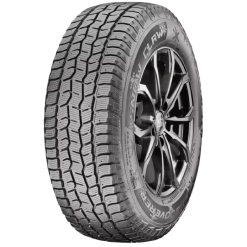
The Cooper Discoverer Snow Claw is a rugged winter tire built for pickups and SUVs that need to keep moving through deep snow and ice. Its Snow-Groove technology traps snow in the tread for extra grip, while dense siping gives the rubber plenty of biting edges to dig into slick surfaces.
Key specs:
VIP note: We recommend the Snow Claw for truck owners who want excellent winter traction that can handle the extra demands of hauling and towing. Because it’s studdable, it also gives you flexibility. Drive it as-is for strong snow and ice performance, or add studs for even more grip on icy roads.
Used tires can make sense if you only drive short distances or need a stopgap while you save for a new set. If you go that route, check these things before you buy:
Whatever you buy, have a technician inspect the tires before you rely on them this winter.
Our Certified Automotive Professionals can inspect your tires for free to ensure they’re properly inflated, balanced, and aligned. They can also help you find the perfect set of winter tires so you can drive safely and in control all season long. Get a free quote.
Winter tires used year-round wear out much faster than winter tires used only in the cold months. Their soft rubber compound is built for temperatures below 45°F, and it wears quickly in warmer weather, which also hurts handling and braking. A set that could last several winters with seasonal changeovers may need replacing after just a year or two of nonstop use. To get the most from winter tires, swap them for all-season tires once spring temperatures stay above 45°F.
Install winter tires when daytime temperatures consistently stay below 45°F, which is when all-season rubber starts to stiffen and lose grip. In most of New England, that’s usually late October through mid-November, before the first real snowfall. Booking early also helps you avoid the rush at tire shops once the first storm hits. Plan to switch back to all-season tires in spring, once temperatures stay above 45°F, to keep your winter tires from wearing out early. If you have studded winter tires, some states will require that you change them over before May 1st.
Buying used winter tires is risky because they have an unknown history, no manufacturer warranty, and often less effective tread than they appear to have, since snow traction starts to decline around 6/32 of an inch. If a used set is your only option, choose tires less than six years old with at least 6/32 of an inch of even tread, no sidewall damage, and no more than one professional repair. Have them inspected by a certified professional before winter.
Snow tires should always be installed as a matching set of four, so replacing just one is rarely a good idea. Mixing a snow tire with tires of a different tread depth or brand creates uneven grip, which can make a vehicle slide or spin on ice and snow. On all-wheel-drive vehicles, mismatched tires can also strain the drivetrain. If one snow tire is damaged and the others are worn, replace all four with the same brand, model, and size.
Read More
Read More
Read More
Read More
Be the first to know about deals, rebates, and more!
Log in or Create an account to save vehicles and more.
 All-Season
 All-Weather
 All-Terrain
 Winter
All-Season tires are versatile and suitable for warm and cool climates, but not recommended for extreme hot or cold weather conditions because of specific rubber components.
Like their name suggests, all-weather tires are versatile and can perform well in a variety of weather conditions and can be severe snow-rated.
With bigger treads than traditional all-season tires, all-terrain tires allow for both on and off-roading capabilities.
Winter tires are manufactured to perform well in snow, ice, sleet and other cold weather conditions. Winter tires are typically soft, with an intricate grooved tread pattern — made for holding compacted snow and creating traction — and are severe snow-rated.