Shock & Strut Replacement
Shocks and struts keep your vehicle balanced and riding smoothly by contributing to the overall safety and stability of its steering and suspension. Ensure yours are in good condition with a visit to VIP.
Slippery roads are coming! Have confidence your brakes are ready. Save up to $100 on brake service. Turn to VIP!
Book Online!
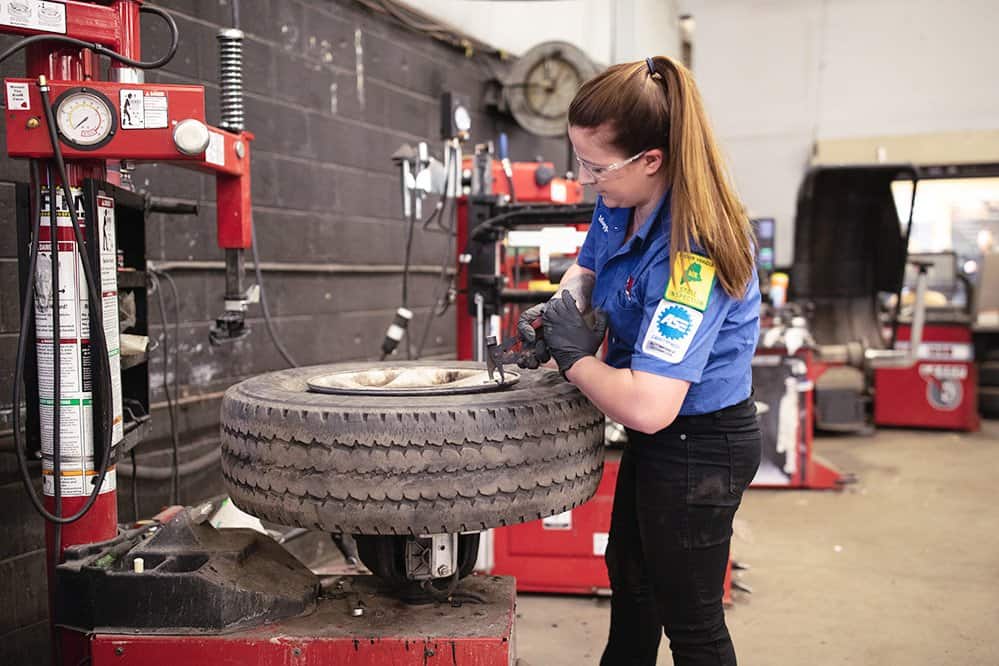
At VIP, we know that every new set of tires holds the promise of wonderful adventures — road trips, tailgate parties, beach days, ski trips, lively car pools, and more.
Visit us at any one of our 76 stores in ME, NH, MA, CT and VT, and our Certified Automotive Professionals will help you get the most out of your new tires.

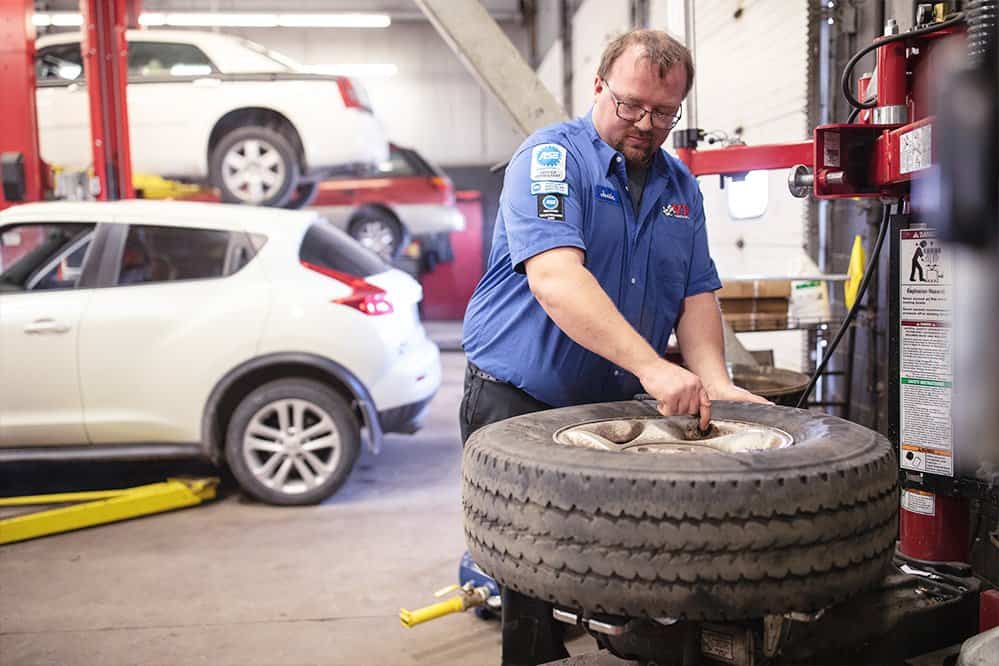
The safest tire arrangement is to always install the newest tires or the tires with the deepest tread depth on the rear axle of your vehicle according to testing by leading tire manufacturers and vehicle safety experts. Your safety is our #1 priority, so that’s VIP’s policy too.
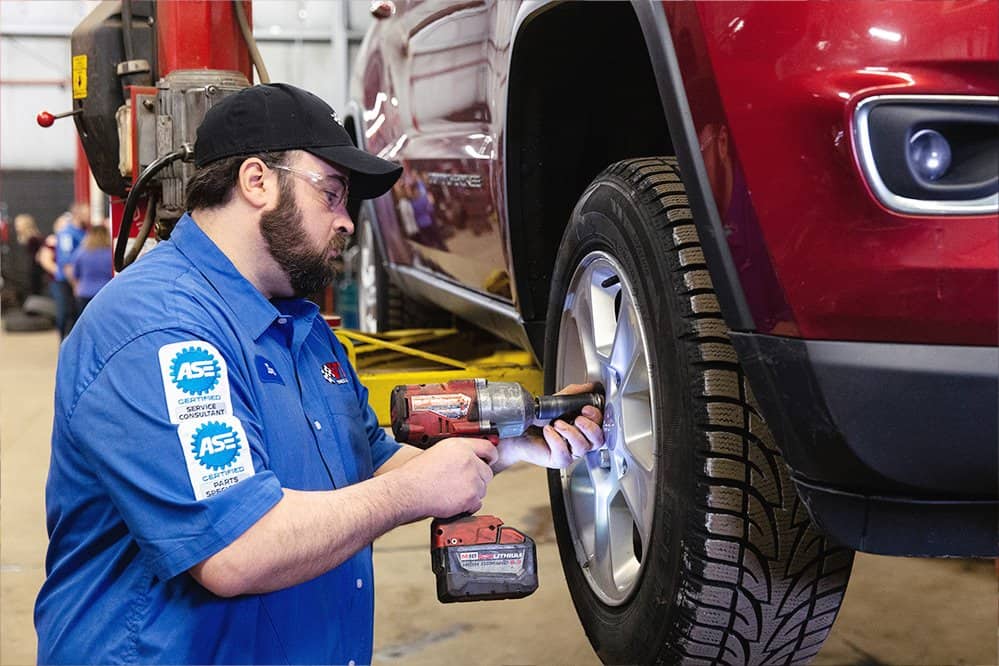
Your wheel lugs should be re-torqued in case they have become loose, which could cause a tire to roll off or warp your wheel rims, after the first 25 miles of driving after your wheels have been removed and replaced or after new tire installations. At VIP, we will re-torque your wheels for FREE at anytime.
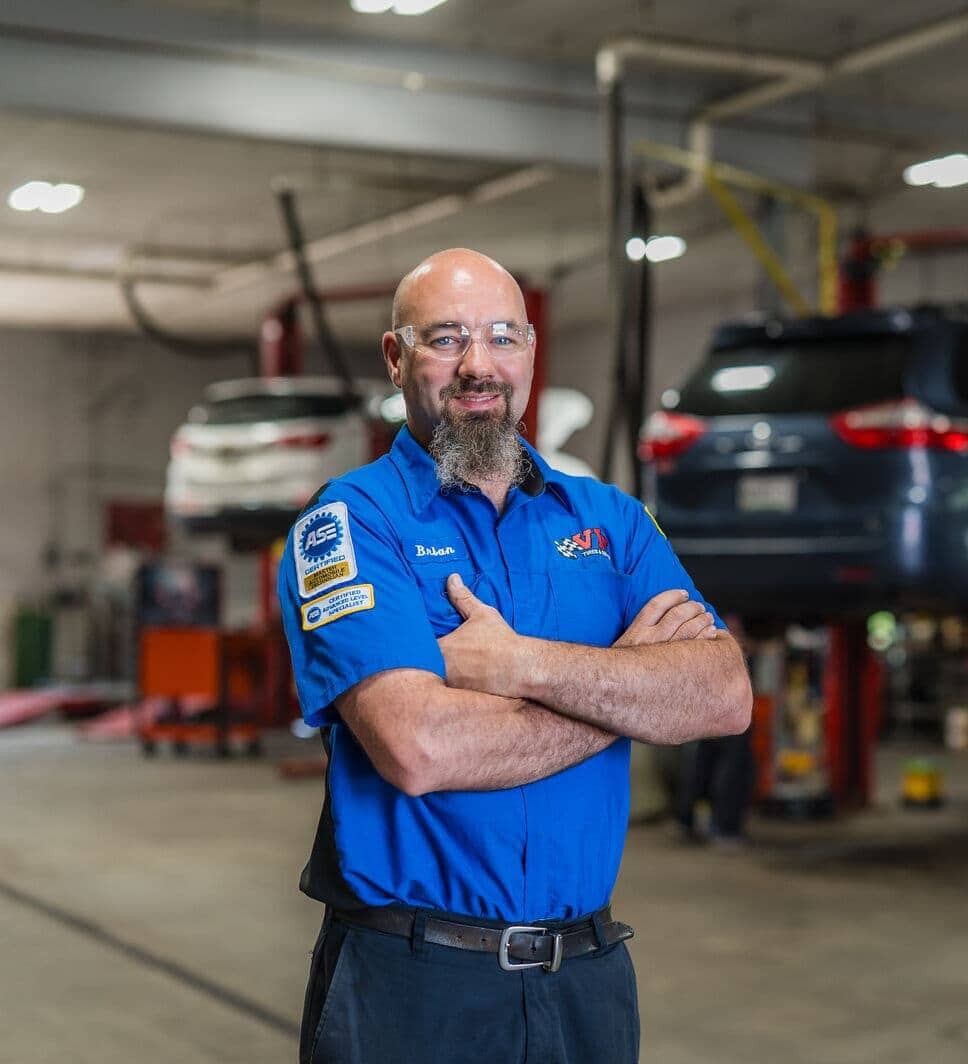
At VIP we understand what your car means to you. All of our employees, from our customer service representatives to our world-class ASE-certified master technicians believe in getting the job done right. We walk you through the work to be done before we begin, including live-feed reviews of your vehicle and copies of your multipoint inspection sent straight to your phone.
With over 32,000 positive Yelp and Google reviews you know you can trust us to be reliable, transparent, and sincere






After your wheels have been removed and reinstalled — during a tire installation or repair, for example — lug nuts can settle and loosen slightly within the first 25 miles of driving. A wheel re-torque checks and tightens them back to spec, helping prevent loose wheels, warped rims, or worse.
Every VIP tire installation comes loaded with value. You get a free tire safety inspection, free wheel re-torque, free mounting and dismounting, free flat repair, and the backing of our 30-day ride guarantee and 200% lowest tire price guarantee. The only additional cost is balancing — unless you have Tire Maintenance++, in which case that’s covered too. Our Certified Automotive Professionals walk you through the work before it starts, and a copy of your multi-point inspection gets sent straight to your phone.
VIP’s 30-day ride guarantee has you covered. If something doesn’t feel right after your tire installation, bring your vehicle back within 30 days and we’ll make it right — no hassle, no runaround.
A visual check should always be conducted to get a sense of the condition of a used tire. Avoid used tires with uneven wear, cracks, bulges, puncture repairs near the sidewall, or tread depth below 4/32 inch. Also, check the DOT date code; tires more than six to ten years old may no longer be safe, even if they have usable tread.
If only one tire is damaged, replacing a single tire can be fine only if you drive a rear-wheel or front-wheel drive vehicle, use the same brand, model, and size as the other tires, and the other tires all have minimal tread wear. If there’s a noticeable difference in tread wear, then you will need to replace the tires as a pair to ensure traction, handling, and overall vehicle stability. If you drive a four-wheel vehicle, then you will likely need to replace all four tires at once.
Yes, tire pressure really does affect gas mileage. Underinflated tires increase rolling resistance, which forces your engine to work harder and burn more fuel. Properly inflated tires reduce that resistance and help your vehicle run closer to its intended fuel economy.
Tires should generally be replaced based on factors such as tread depth, age, visible damage, and driving conditions. Even if a tire has plenty of tread remaining, rubber can deteriorate over time, so it’s important to inspect older tires regularly and follow your tire manufacturer’s recommendations.
XL, or Extra Load, indicates a tire with reinforced construction designed to carry a higher load than a standard load tire of the same size. If your vehicle requires XL tires, replacement tires should have the same designation to help maintain the proper load capacity.
No, a tire with a higher speed rating does not mean it’s necessarily better. A higher speed rating indicates a tire’s ability to handle higher speeds under specific testing conditions, but it does not automatically mean the tire will provide better performance in every category. Factors such as tread life, comfort, weather performance, and driving needs also matter.
Some vehicles, particularly certain sports cars and performance models, are designed with staggered fitment, meaning different sizes on the front and rear axles. For most vehicles, though, all four tires should match in size unless the manufacturer specifies otherwise.
BSW stands for Black Sidewall and indicates that the tire has a plain black sidewall without any white lettering or decorative markings. It’s a style designation that affects the tire’s appearance, not its performance, size, or capabilities.
OWL stands for Outlined White Letters, a sidewall design where the raised lettering has a white outline instead of being molded in solid black. Some drivers choose OWL tires specifically for a more distinctive or classic look, similar to RWL (Raised White Letters). Like other sidewall style markings, OWL has no effect on how the tire performs or fits your vehicle.
At VIP, we charge $35 per tire to install tires. This does not include tire disposal, which is an extra $5 per tire.
If you’re only replacing two tires, the general rule is that the newest tires (or the ones with the deepest tread) should always go on the rear axel. This is based on testing from leading tire manufacturers and safety experts.
Be the first to know about deals, rebates, and more!
Log in or Create an account to save vehicles and more.
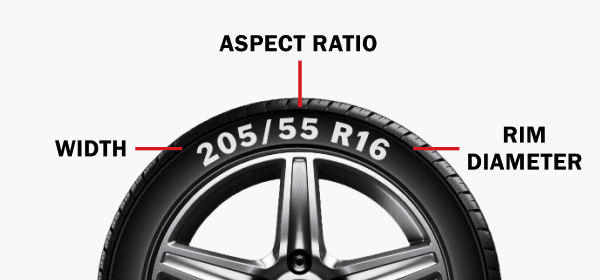
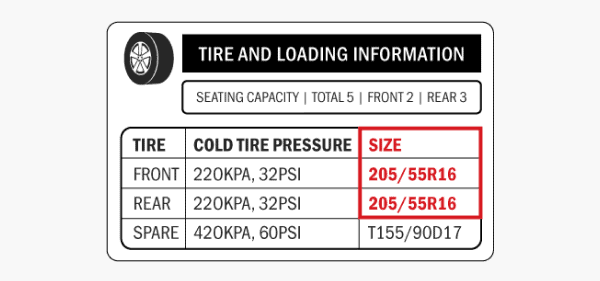
 All-Season
 All-Weather
 All-Terrain
 Winter
All-Season tires are versatile and suitable for warm and cool climates, but not recommended for extreme hot or cold weather conditions because of specific rubber components.
Like their name suggests, all-weather tires are versatile and can perform well in a variety of weather conditions and can be severe snow-rated.
With bigger treads than traditional all-season tires, all-terrain tires allow for both on and off-roading capabilities.
Winter tires are manufactured to perform well in snow, ice, sleet and other cold weather conditions. Winter tires are typically soft, with an intricate grooved tread pattern — made for holding compacted snow and creating traction — and are severe snow-rated.