Advanced Multi Point Inspection
Oil keeps many components of your engine working efficiently. Keep it performing optimally with a VIP oil change.
Car riding rough? Buy 3 Shocks/Struts and get 1 FREE! You deserve a smooth ride. Turn to VIP!
Book Online!
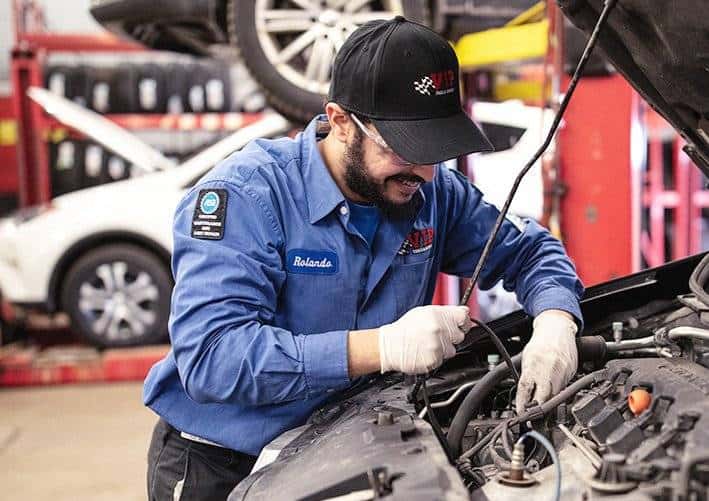
Your preventative maintenance schedule should include 19 crucial tune-up services between 30,000 and 90,000 miles that will keep your vehicle safely on the road. VIP’s Certified Automotive Professionals are trained to expertly perform each of them and more!


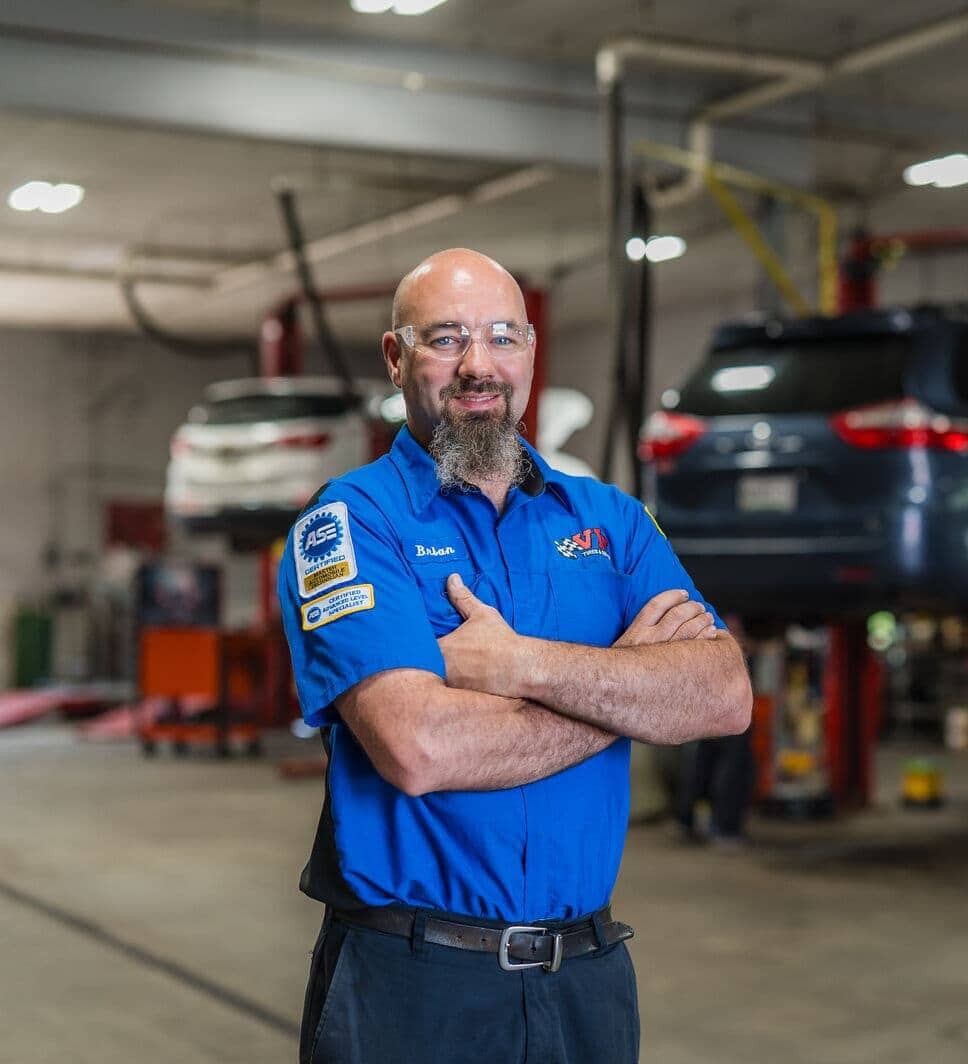
At VIP we understand what your car means to you. All of our employees, from our customer service representatives to our world-class ASE-certified master technicians believe in getting the job done right. We walk you through the work to be done before we begin, including live-feed reviews of your vehicle and copies of your multipoint inspection sent straight to your phone.
With over 32,000 positive Yelp and Google reviews you know you can trust us to be reliable, transparent, and sincere







How often spark plugs should be replaced depends on the type of spark plug and your vehicle’s specifications. Copper spark plugs typically need to be replaced around 30,000 miles, while iridium or platinum spark plugs can last 60,000–100,000 miles. Our Certified Automotive Professionals can check your vehicle owner’s manual and help determine the right replacement interval for your specific vehicle.
A car tune-up is a series of scheduled services designed to help keep your vehicle running properly, rather than just one single repair. A tune-up may include services like fluid exchanges, spark plug replacement, and belt inspections, and it’s often based on your vehicle’s mileage. In some cases, we may recommend a tune-up if your vehicle is running rough or showing signs that maintenance is needed. Our Certified Automotive Professionals can walk you through exactly what services your vehicle is due for when you come in.
The major car maintenance milestones are typically 30,000, 60,000, and 90,000 miles, and each interval includes its own recommended services. You can check your owner’s manual for the maintenance schedule specific to your make and model, or our Certified Automotive Professionals can help explain what each service includes and how it helps your vehicle over time.
Not every recommended service will apply to every visit, as maintenance needs depend on your vehicle’s mileage, condition, and specific requirements. Our Certified Automotive Professionals will never recommend a service you don’t need. They’ll help you understand what’s important to address now and what can wait.
If you skip a scheduled tune-up, smaller issues can turn into bigger, more expensive repair problems. Worn parts can put extra strain on your engine and other vehicle systems over time. Staying on schedule helps protect your investment and keep your vehicle running reliably for the long run.
Yes, an alignment or tune-up can improve your gas mileage. A poorly aligned vehicle creates drag as tires resist each other, and worn components, such as spark plugs or a faulty oxygen sensor, can throw off your engine’s fuel-to-air ratio.
Be the first to know about deals, rebates, and more!
Log in or Create an account to save vehicles and more.
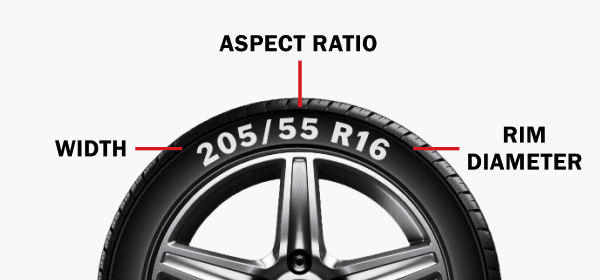
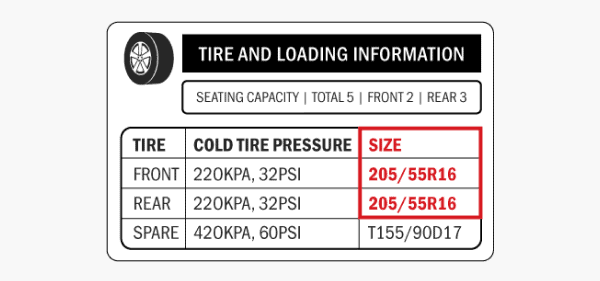
 All-Season
 All-Weather
 All-Terrain
 Winter
All-Season tires are versatile and suitable for warm and cool climates, but not recommended for extreme hot or cold weather conditions because of specific rubber components.
Like their name suggests, all-weather tires are versatile and can perform well in a variety of weather conditions and can be severe snow-rated.
With bigger treads than traditional all-season tires, all-terrain tires allow for both on and off-roading capabilities.
Winter tires are manufactured to perform well in snow, ice, sleet and other cold weather conditions. Winter tires are typically soft, with an intricate grooved tread pattern — made for holding compacted snow and creating traction — and are severe snow-rated.