Education Center
Here to Help. Always.
VIP REBATE ROUND UP! Save over $300 with rebates and instant savings today!
Goodyear, Cooper, Kelly, Vredestein, Michelin, BF Goodrich, Milestar, and General Tire!
Book Online!

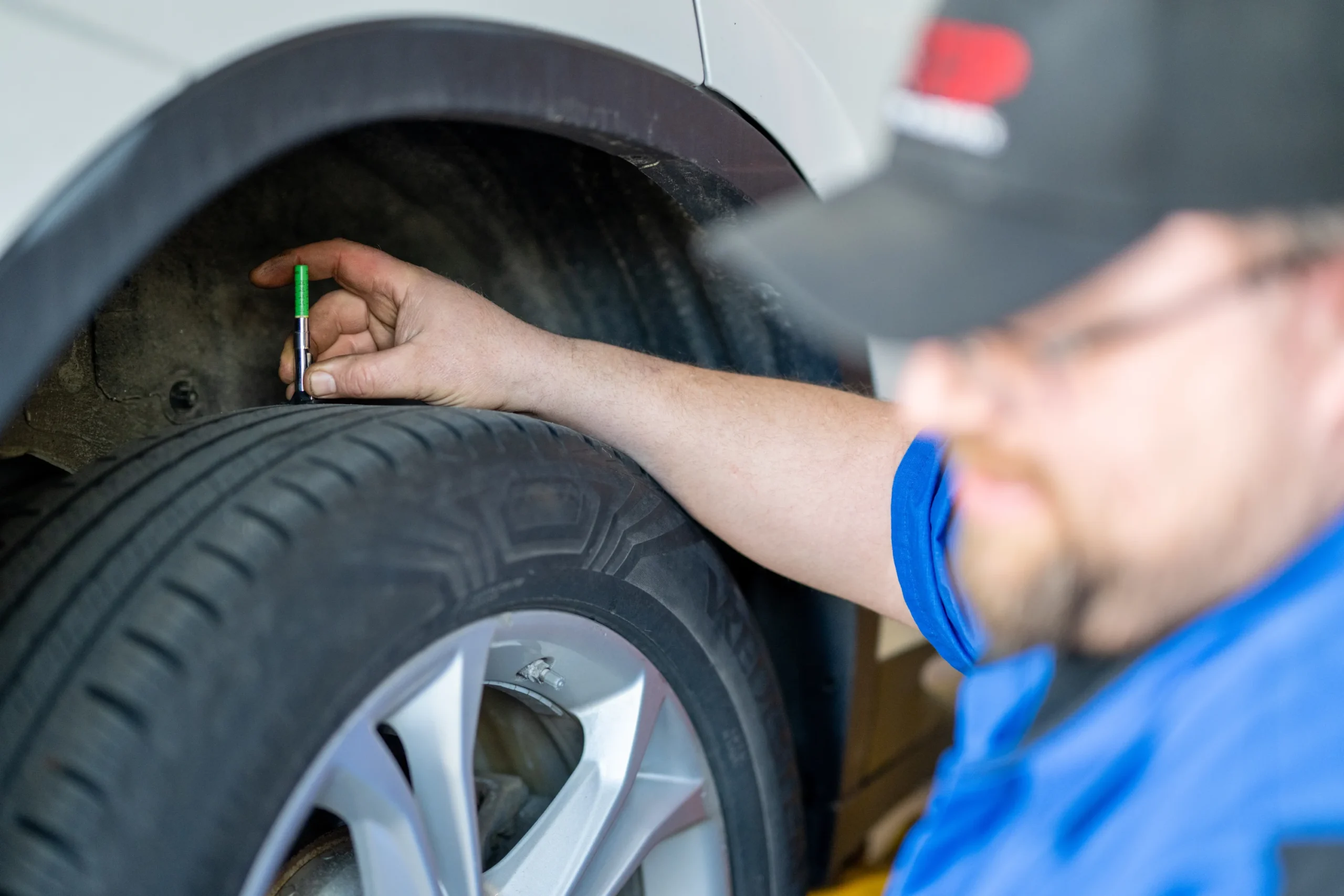
Your tires are the only part of your vehicle that make direct contact with the road. Their tread helps provide traction, move water away from the tire, and support confident handling in changing road and weather conditions.
As tires wear, their ability to grip the road can decrease – especially on wet, snowy, or uneven surfaces. That’s why checking your tire tread depth is an important part of routine vehicle maintenance. The good news? You can get a quick estimate of your tire tread at home using a penny.
Tire tread depth measures the amount of usable tread remaining on a tire. New passenger tires typically begin with considerably more tread than the minimum legal limit, but the depth gradually decreases as the tire is driven.
Tread is designed to help your tires maintain traction by gripping the road and channeling water away from the contact area. As the tread becomes shallower, your tires may have a harder time performing effectively in rain, snow, and other challenging driving conditions.
If a tire has less than 2/32 of an inch of remaining tread depth, it’s considered worn out and should be replaced as it’s unsafe to repair, and depending on where you live, could even cause you to fail a state inspection. Because tread depth can vary across the surface of a tire, it’s important to check more than one location.
The penny test is a quick and simple way to estimate whether your tires are approaching the end of their usable life. To perform the test:
If the top of Lincoln’s head is completely visible, the tread may be at or below 2/32 of an inch, and the tire should be professionally inspected and likely replaced.
You should also repeat the penny test in several locations around each tire as uneven wear is common, especially if you’re not rotating your tires every 5,000 – 7,500 miles. Check the inner, center, and outer portions of the tread because tires do not always wear evenly.
Tires do not always wear evenly. Uneven tread wear can affect ride quality, handling, tire life, and overall performance. It may also be a sign that your vehicle needs additional attention.
Here are a few common tire wear patterns to look for:
Excessive Wear on One Side
If the inside or outside edge of a tire is wearing faster than the rest of the tread, your vehicle may have an alignment or suspension-related concern.
An alignment helps ensure your tires are positioned correctly and working together as intended. Driving with improper alignment may cause tires to wear more quickly or unevenly.
Excessive Wear in the Center
If the center of the tire is more worn than the outer edges, the tire may have been consistently overinflated.
Excessive Wear Along Both Edges
If both outer edges are wearing faster than the center, the tire may have been consistently underinflated.
Cupping, Choppiness, or Uneven Patches
Tread that feels scalloped, uneven, or rough may be related to tire balance, suspension components, or other mechanical concerns.
Because tire wear can have several causes, it’s best to have unusual wear patterns evaluated by a certified automotive professional to understand what the cause is, and to have it properly fixed.
Tread depth is important, but it isn’t the only thing to check. Look for signs such as:
If you notice any of these concerns, schedule an appointment to have them looked at rather than waiting for the issue to become more serious or costly. With any paid service, we offer complimentary multi-point inspections, if you want us to dive a little deeper or just come in to have us take a look, we also offer Advanced Multi Point Inspections to identify any recommendations to help look out for the health of your vehicle.
Even with regular maintenance, road hazards can happen without warning. Potholes, road debris, glass, and unexpected impacts can damage a tire when you least expect it.
VIP Tire Maintenance Plus++ provides added protection for eligible tires against certain road hazards, including damage caused by potholes, glass, impacts, and other covered conditions. Repairable tires covered by the plan are repaired at no charge, including mounting and balancing. If a covered tire cannot be repaired, replacement coverage may be available on a prorated basis according to the plan’s terms and conditions.
The plan also includes free tire rebalancing during eligible tire rotations, changeovers, and repairs.
Tire Maintenance Plus++ is designed to provide additional peace of mind, but it does not replace regular tire maintenance. Proper inflation, routine tire rotations, wheel alignments when needed, and regular inspections remain important for helping your tires last longer and perform as intended.
Checking your tire tread takes only a few minutes, but it can provide valuable insight into your vehicle’s safety and maintenance needs. The penny test is a helpful starting point, but it should not be the only way you evaluate your tires. Regular inspections can help identify low tread, uneven wear, pressure concerns, and other issues before they affect your drive.
Whether you need a tire inspection, an Advanced Multi-Point Inspection, a wheel alignment, or a new set of tires, the certified automotive professionals at VIP are here to help.
Read More
Read More
Read More
Read More
Be the first to know about deals, rebates, and more!
Log in or Create an account to save vehicles and more.
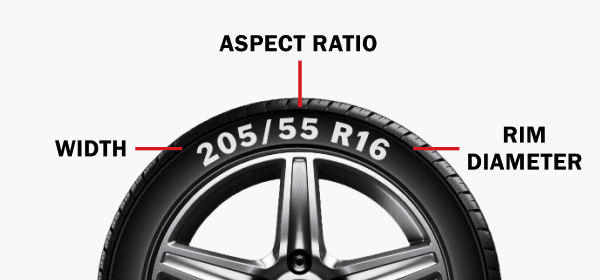
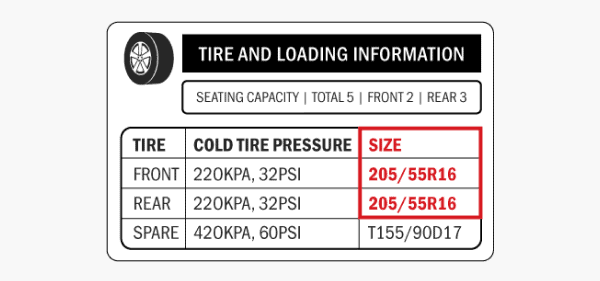
 All-Season
 All-Weather
 All-Terrain
 Winter
All-Season tires are versatile and suitable for warm and cool climates, but not recommended for extreme hot or cold weather conditions because of specific rubber components.
Like their name suggests, all-weather tires are versatile and can perform well in a variety of weather conditions and can be severe snow-rated.
With bigger treads than traditional all-season tires, all-terrain tires allow for both on and off-roading capabilities.
Winter tires are manufactured to perform well in snow, ice, sleet and other cold weather conditions. Winter tires are typically soft, with an intricate grooved tread pattern — made for holding compacted snow and creating traction — and are severe snow-rated.