Education Center
Here to Help. Always.
VIP REBATE ROUND UP! Save over $300 with rebates and instant savings today!
Goodyear, Cooper, Kelly, Vredestein, Michelin, BF Goodrich, Milestar, and General Tire!
Book Online!

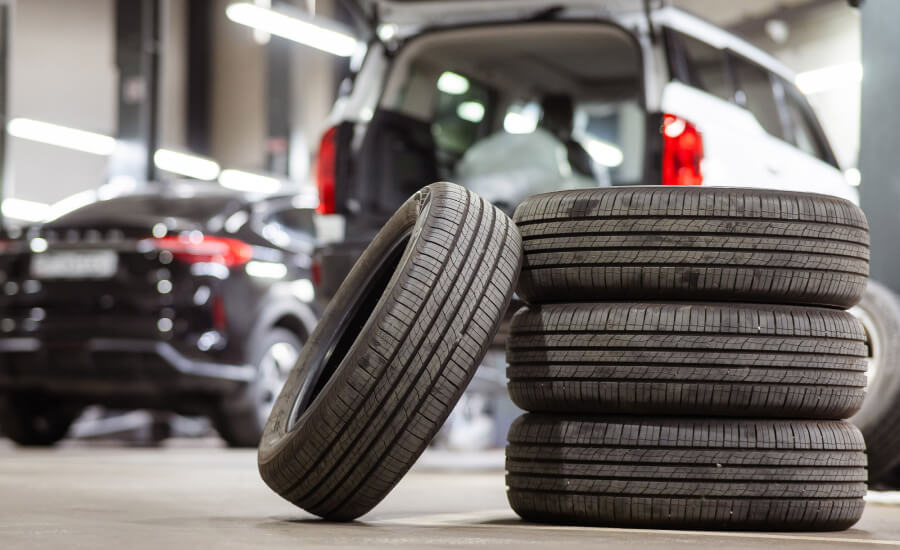
When it’s time to replace your tires, you’re probably asking yourself a few questions:
Finding the right answers (and the right set of tires) is important because it protects your car, your personal safety, and even your wallet. In all of these situations, the experts at VIP can help. In this blog post, we’re taking a closer look at the question of buying new tires vs used, because if you think you’re saving money by buying used tires, the reality might surprise you.
While used tires come at a lower initial price point, there are a lot of unknowns that come with buying used tires. One of the dangers of buying used tires is that you don’t have the assurances that come with new tires, such as manufacturer warranties, estimated lifespan, and structural integrity. Used tires will not last as long as new tires, won’t perform as well, and could have issues that force you to replace them sooner rather than later.
Here’s why: While you think you’re saving money by buying used tires, you could spend more in the long run.
The most important thing to understand about buying used tires is that there’s not a lot known about the products you’re purchasing. While you can perform a thorough check of the tire’s general condition and its remaining tread depth, you cannot inspect what you can’t see.
While new tires must meet stringent federal safety standards before they can be sold, used tires are only subject to state laws, and so can be resold with virtually no restrictions.
As risky as used tires are, they can be even riskier when driving in New England. New England roads are notorious for their seasonal weather and harsh conditions, which lower the performance and reliability of used tires.
A used tire that performs well for years in another state can underperform and even fail much sooner in New England conditions.
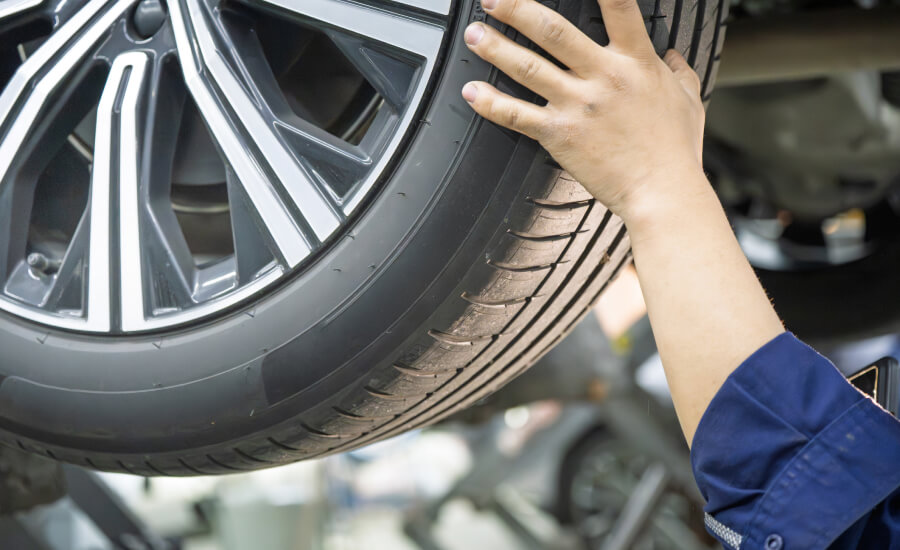
We all want to save money whenever possible, which is why paying less for a product sounds appealing. However, there’s a difference between spending less money and getting greater value out of a product. While buying used tires can save you money upfront, buying new tires can help you save in the long run.
Investing in new tires helps your car perform at its best, which means spending less money on gas, repairs, and replacements. You can further increase your savings by taking advantage of promotions and financing options for new tires.
For example, VIP’s 200% Lowest Price Tire Promise ensures you’re getting the lowest price on a set of new tires. If your vehicle has front-wheel or rear-wheel drive, you can also budget for buying two new tires instead of four as a bridge strategy, then replace the other two tires later.
| New Tires | Used Tires | |
| Average upfront cost (per tire) | $75–$200 | $30–$80 |
| Expected tread life | 3–5 years | Under 2 years |
| Estimated lifespan (miles) | 40,000 – 80,000 | 10,000 – 30,000 |
| Manufacturer warranty | Yes | No |
| Recall alert eligibility | Yes | No |
| Tread depth at purchase | Max | Reduced |
We typically do not recommend purchasing used tires for your vehicle. That’s because, when you break down the long-term effects and value, new tires are almost always the better option.
Used tires may cost you less upfront, but you will need to replace them sooner. Also, the negative impact on your car’s performance, and the higher risks of uneven wear and higher failure, will cost you more in gas and possible repairs.
Over time, the cost difference between new and used tires averages out, but the safety difference does not.
There are some cases when purchasing a used tire makes sense.
In emergencies, used tires can be a short-term fix, but they shouldn’t be your long-term solution. There is no guarantee that used tires were cared for correctly or that there is no internal damage from a road hazard incident.
If you do buy used tires, you should always have them carefully inspected by a certified automotive professional to ensure they’re as safe and reliable as possible.
Trust the local professionals to give you expert, honest advice for driving in New England. Our certified automotive professionals can inspect your tires for free to ensure they’re not only safe to use, but they’re also properly inflated, balanced, and aligned. They can also help you find the perfect set of new or used tires so you can enjoy the best possible performance.
A visual check should always be conducted to get a sense of the condition of a used tire. Avoid used tires with uneven wear, cracks, bulges, puncture repairs near the sidewall, or tread depth below 4/32 inch. Also, check the DOT date code; tires more than six to ten years old may no longer be safe, even if they have usable tread.
The lifespan of a used tire depends on its age, tread depth, driving habits, and road conditions. Many used tires have 10,000 to 30,000 miles of remaining life, but a professional inspection can help determine how much usable tread is left.
If only one tire is damaged, replacing a single tire can be fine only if you drive a rear-wheel or front-wheel drive vehicle, use the same brand, model, and size as the other tires, and the other tires all have minimal tread wear. If there’s a noticeable difference in tread wear, then you will need to replace the tires as a pair to ensure traction, handling, and overall vehicle stability. If you drive a four-wheel vehicle, then you will likely need to replace all four tires at once.
New tires provide maximum tread life, better traction, the latest safety features, and full manufacturer warranties. They also deliver more consistent performance in wet and dry conditions, making them a smart long-term investment for safety and reliability.
Read More
Read More
Read More
Read More
Be the first to know about deals, rebates, and more!
Log in or Create an account to save vehicles and more.
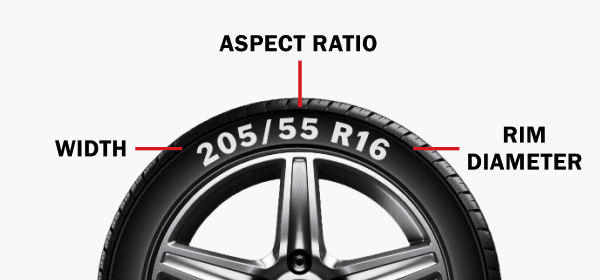
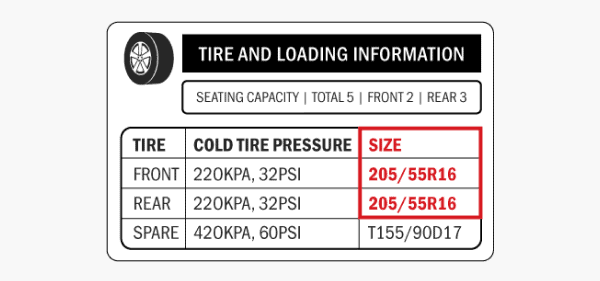
 All-Season
 All-Weather
 All-Terrain
 Winter
All-Season tires are versatile and suitable for warm and cool climates, but not recommended for extreme hot or cold weather conditions because of specific rubber components.
Like their name suggests, all-weather tires are versatile and can perform well in a variety of weather conditions and can be severe snow-rated.
With bigger treads than traditional all-season tires, all-terrain tires allow for both on and off-roading capabilities.
Winter tires are manufactured to perform well in snow, ice, sleet and other cold weather conditions. Winter tires are typically soft, with an intricate grooved tread pattern — made for holding compacted snow and creating traction — and are severe snow-rated.