Education Center
Here to Help. Always.
October is Fall Car Care Month! Save $20 Off Any Oil Change. Turn to VIP!
Book Online!

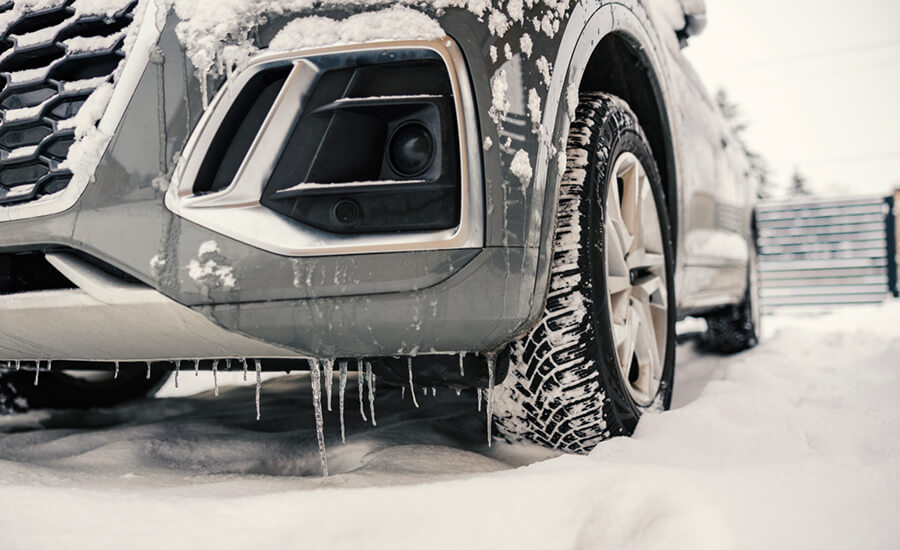
Whether you drive a sedan, SUV, or pickup truck, the right winter tires can make the difference between a confident commute and a white-knuckle drive. In this post, VIP shares our top winter tire picks for 2026 by vehicle type and budget, plus what to look for, when to buy, and how to make your tires last.
New England winters are hard on tires in a specific way. Instead of weather that’s consistently dry and cold, drivers have to deal with everything from black ice and heavy, wet snow to freeze-thaw cycles and roads covered in salt and slush. A good winter tire needs to handle all of it. Here’s what truly makes a winter tire reliable.
Specifications and marketing claims only tell part of the story. Our recommendations also come from decades of installing and servicing tires across Maine, New Hampshire, Massachusetts and Vermont. Our technicians drive the same roads you do every winter, so they know what holds up. They look at independent test results, customer feedback, how tread holds up over multiple seasons, warranty terms, and in-store availability to choose tires that perform on New England roads, not just in a test lab.
Front-wheel drive and all-wheel drive help you get moving in snow, but neither one helps you stop or steer on ice. That takes the right winter tires. These are our top picks for sedans, FWD cars, SUVs, and AWD vehicles.
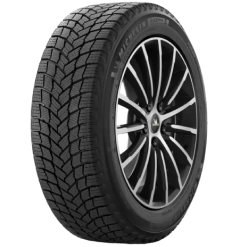
The Michelin X-Ice Snow+ is a studless winter tire certified for both snow and ice that’s designed to handle everything a New England winter throws at you, from black ice and deep snow to slush and cold, wet pavement.
Key specs:
VIP note: Whether you drive a sedan, FWD car, SUV, or AWD vehicle, the X-Ice Snow+ is hard to beat for all-around winter performance. It pairs top-tier grip on snow and ice with exceptional handling, so you can stay confident in any driving situation, from an icy morning commute to a highway drive in a snowstorm, without having to worry about stud rules.
If you’re looking for serious snow, slush, and ice traction, the Finnish-designed Nokian Hakkapeliitta 01 has you covered. Its studs automatically adjust with the temperature, engaging for grip on ice in deep cold and easing back for a smoother, quieter ride on bare pavement.
Key specs:
VIP note: The Hakkapeliitta 01 is ideal for drivers in northern New England, where ice and hard-packed snow can linger for months. It’s a strong choice if you regularly drive rural roads or hills that aren’t plowed or treated right away, or if your commute puts you on black ice in the early morning or late at night. Because its studs retract on bare pavement, it also suits drivers who want studded-tire grip on ice but still spend time on cleared highways. Available in sizes for sedans, crossovers, SUVs, and EVs, it’s a versatile option for a wide range of vehicles that need serious winter traction.
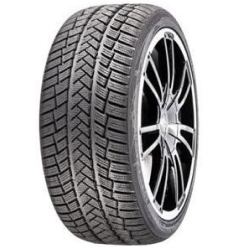
The Vredestein Wintrac Pro+ is a premium performance winter tire built for drivers who want confident handling and stability on cold, snowy, and wet roads. Its flexible, silica-rich compound and slush-clearing tread deliver strong grip and braking, while its high-speed stability and quiet ride make it comfortable for highway driving.
Key specs:
VIP note: We recommend the Wintrac Pro+ for drivers of sedans, FWD cars, SUVs, and AWD vehicles who want excellent winter performance without giving up the responsive handling and comfort they’re used to during the rest of the year. It’s an especially good fit if most of your winter driving is on plowed and treated roads and highways.
Pickup trucks face their own winter challenges: a light rear end that can lose traction on snow and ice, plus the extra demands of hauling, towing, or plowing. These picks combine strong load ratings, tough sidewalls, and serious snow and ice traction to keep your truck working all winter long.
(varies by size and load range)
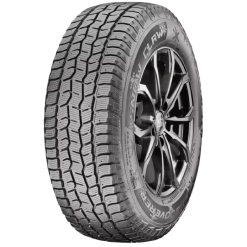
The Cooper Discoverer Snow Claw is a rugged winter tire built for pickups and SUVs that need to keep moving through deep snow and ice. Its Snow-Groove technology traps snow in the tread for extra grip, while dense siping gives the rubber plenty of biting edges to dig into slick surfaces.
Key specs:
VIP note: We recommend the Snow Claw for truck owners who want excellent winter traction that can handle the extra demands of hauling and towing. Because it’s studdable, it also gives you flexibility. Drive it as-is for strong snow and ice performance, or add studs for even more grip on icy roads.
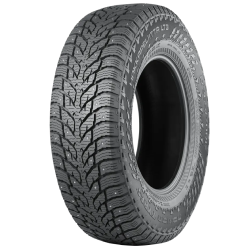
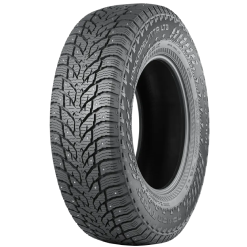
The Nokian Hakkapeliitta LT3 is a heavy-duty winter tire built for pickups, light trucks, and 4x4s that work hard all winter, whether that means plowing, towing, or getting to a snowy job site. Its aggressive tread clears snow and slush for strong traction, and its reinforced sidewalls stand up to impacts and cuts on rough winter roads.
Key specs:
VIP note: The Hakkapeliitta LT3 delivers excellent traction on snow and ice and handles the extra demands your truck puts on its tires. For drivers who need even more grip on icy roads, the factory-studded version uses corrosion-resistant stainless steel studs that hold up to New England’s salted roads.
If budget is your top concern, you don’t have to settle for all-season tires. These winter tires deliver real snow and ice performance without premium pricing.
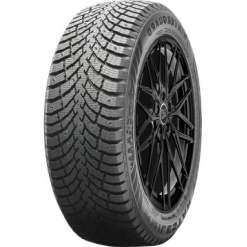
The Milestar Winterguard is a budget-friendly winter tire that performs well above its price point. It’s one of the few tires in its class certified for both severe snow and severe ice, which makes it a strong choice for New England’s icy roads.
Key specs:
VIP note: The Winterguard is a great value that makes winter tires possible on nearly any budget. With ice certification and the option to add studs, it delivers the kind of winter traction you’d usually expect to pay more for.
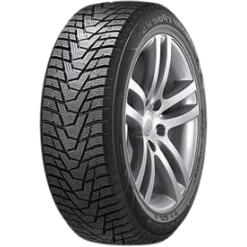
The Hankook Winter i*Pike X is an affordable winter tire with deep tread and plenty of biting edges for confident grip on snow and ice. It’s available in sizes for cars, as well as SUVs, crossovers, and light trucks.
Key specs:
VIP note: The Winter i*Pike X is a smart choice if you want a trusted name at a budget-friendly price. Hankook supplies original equipment tires to many major automakers, and this tire comes in sizes for nearly every vehicle, from sedans to light trucks, so the whole household can get reliable winter traction without paying premium prices.
Compare VIP’s top winter tire picks side by side to find the right fit for your vehicle, driving conditions, and budget.
| Tire Model | Winter Certification | Type | Starting Price Per Tire | Best For |
| Michelin X-Ice Snow+ | 3PMSF + Ice Grip | Studless | $155 | Sedans, FWD cars, SUVs, AWD vehicles |
| Nokian Hakkapeliitta 01 | 3PMSF + Ice Grip | Studded | $163 | Cars, SUVs, and EVs on icy back roads |
| Vredestein Wintrac Pro+ | 3PMSF | Studless | $165 | Sedans and SUVs on mostly plowed roads and highways |
| Cooper Discoverer Snow Claw | 3PMSF | Studdable | $154 | Pickups and SUVs |
| Nokian Hakkapeliitta LT3 | 3PMSF | Studded or non-studded | $242 | Pickups and light trucks that plow, tow, or haul |
| Milestar Winterguard | 3PMSF + Severe Ice | Studdable or pre-studded | $78 | Budget shoppers with cars, crossovers, and SUVs |
| Hankook Winter i*Pike X | 3PMSF | Studdable | $90 | Budget shoppers with any vehicle, including light trucks |
The best time to buy winter tires is early fall, from late August through September, when selection is widest and you can schedule installation before the seasonal rush. If you wait, aim to have them installed by early November, or when temperatures consistently drop below 45°F. After the first big storm, shops fill up fast and popular sizes can sell out.
A good set of winter tires is an investment, but there are a few ways to make it more affordable:
It’s also worth considering the potential cost of driving without winter tires. A collision, a slide into a guardrail, or a tow out of a ditch can cost more than a set of tires, not to mention your deductible, time without a car, or the risk to you and your passengers.
Winter tires work best when they’re properly maintained. A few simple checks can help you get the most out of your tires, maintain traction in cold weather, and extend their lifespan.
The right winter tires can make all the difference when New England weather turns icy, snowy, or unpredictable. Whether you need maximum ice grip, heavy-duty traction for your truck, or a great value that fits your budget, VIP’s tire experts can help you find the right set for your vehicle and the way you drive. With 77+ locations across New England and our 200% Lowest Price Promise, it’s easy to get ready before the first storm hits.
Winter tires are worth considering for New England drivers who regularly face snow, ice, and prolonged cold. Their specialized rubber compounds stay flexible at low temperatures, while their tread designs help maintain traction on slippery roads. That can mean better control when accelerating, turning, and stopping in winter conditions. They’re especially valuable if you commute before roads are plowed, travel rural roads or hills, or drive frequently in northern New England. If you mostly drive on well-maintained roads and can stay home during storms, all-season tires may be sufficient for your needs.
How long winter tires last depends on how often you drive, road conditions, tire maintenance, and how you store them between seasons. Regularly checking tread depth and inspecting your tires for damage can help you determine when they need to be replaced. Even if the tread looks good, tire age matters, so follow the manufacturer’s recommendations for inspection and replacement.
Studded tires can provide better traction on hard ice, while studless winter tires are often the more versatile choice for New England drivers. Metal studs bite into icy surfaces, which can be helpful on rural roads and in areas with frequent freezing conditions. Studless winter tires use specialized rubber compounds and tread designs to grip snow and ice without metal studs. They’re generally quieter on bare pavement and cause less road wear, and they aren’t subject to seasonal stud restrictions.
Studded tire laws vary across New England, with states setting specific dates for when they’re permitted. For example, Massachusetts generally allows studded tires from November 1 through April 30, while Maine generally allows them from October 1 through April 30, with certain exceptions. Before purchasing or installing studded tires, review the studded snow tire regulations by state to make sure you comply with local laws.
Winter tires and snow tires generally refer to the same category of tire. Although many drivers still use the term “snow tires,” “winter tires” better reflects their purpose: providing traction in a range of cold-weather conditions, including snow, ice, slush, and cold pavement. Their specialized rubber compounds and tread designs help maintain grip in winter weather, not just during snowstorms.
Read More
Read More
Read More
Read More
Be the first to know about deals, rebates, and more!
Log in or Create an account to save vehicles and more.
 All-Season
 All-Weather
 All-Terrain
 Winter
All-Season tires are versatile and suitable for warm and cool climates, but not recommended for extreme hot or cold weather conditions because of specific rubber components.
Like their name suggests, all-weather tires are versatile and can perform well in a variety of weather conditions and can be severe snow-rated.
With bigger treads than traditional all-season tires, all-terrain tires allow for both on and off-roading capabilities.
Winter tires are manufactured to perform well in snow, ice, sleet and other cold weather conditions. Winter tires are typically soft, with an intricate grooved tread pattern — made for holding compacted snow and creating traction — and are severe snow-rated.