Education Center
Here to Help. Always.
October is Fall Car Care Month! Save $20 Off Any Oil Change. Turn to VIP!
Book Online!


Wondering how to improve fuel economy without buying a new car? You’re not alone. Fuel efficiency comes down to a mix of driving habits and vehicle maintenance, and most of the biggest gains cost little to nothing. Add in New England’s cold winters, which can lower fuel economy even in a well maintained vehicle, and it’s worth knowing exactly what moves the needle. Here are five ways to boost your fuel efficiency, starting today.
Ready to get more miles out of every gallon? Here are five simple ways to make your gas last longer.
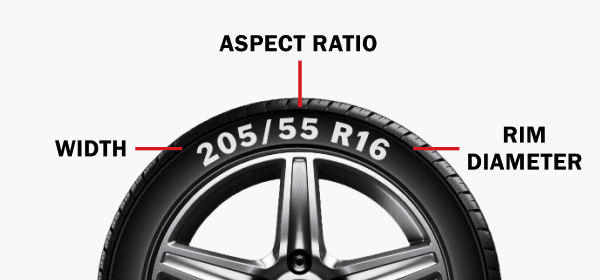
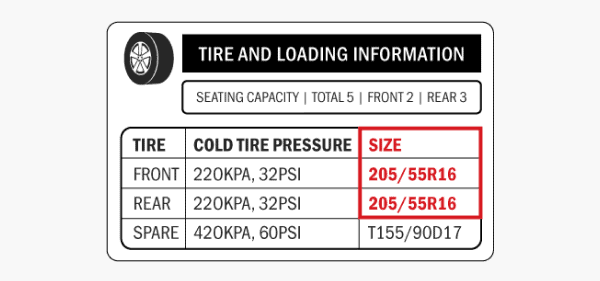
Underinflated tires create more rolling resistance, which forces your engine to work harder and burn more fuel. Check your tire pressure at least once a month and more often when temperatures fluctuate, since every 10-degree drop in temperature can reduce tire pressure by about 1 PSI. You’ll find the correct PSI on a sticker inside your driver’s side door, not on the tire itself. Overinflating won’t help, either, since it leads to a harsher ride, uneven tire wear, and a higher risk of blowouts. Keeping your tires properly inflated is one of the simplest ways to increase fuel economy without any extra cost.
Often easier said than done, one of the best ways to start conserving fuel is to audit your driving habits and adopt some steadier practices. Anticipate traffic conditions, time your stops and starts to maintain momentum when it’s safe to do so, and avoid rapid acceleration and hard braking. According to the U.S. Department of Energy, aggressive driving can lower your fuel economy by 15% to 30% at highway speeds and by 10% to 40% in stop-and-go traffic.
A handful of maintenance items directly affect how efficiently your engine runs:
Staying ahead of these routine services with an advanced multi-point inspection is one of the most effective fuel economy improvements you can make.
New England winters bring specific challenges. Cold air is denser, engines take longer to reach an efficient operating temperature, and tire pressure naturally drops as temperatures fall. Letting your car idle to warm up may make the cabin more comfortable, but it doesn’t improve fuel economy. It burns fuel without getting you anywhere. Instead, drive gently for the first few miles and check your tire pressure more frequently once the temperature drops.
Fuel efficiency also depends on how much weight your vehicle is carrying and how much aerodynamic drag it creates. Clearing out unnecessary items in your trunk lightens the load your engine has to move. Removing roof racks or cargo boxes when they’re not in use reduces wind resistance, especially at highway speeds.
These gas efficiency tips range from quick, no-cost habits such as checking tire pressure to routine maintenance that’s worth scheduling ahead of time. Over time, small changes like these can add up to real savings at the pump.
Not sure where your vehicle stands, or which one of these might make the biggest difference? The team at VIP is here to help. Every visit includes a complimentary multi-point inspection to check the basics, including tire pressure and tread. For a closer look, VIP’s Advanced Multi-Point Inspection goes further, with precise measurements of tires, brakes, steering, and suspension, plus a full scan for any trouble codes. The cost is $50, but if we find work that needs to be done, that $50 is credited toward any repair you approve that same day.
Whether you’re due for routine service or just want a second opinion, VIP has nearly 80 locations across New England ready to help you get the most out of every tank.
The fastest way to improve fuel efficiency is to check your tire pressure and ease off aggressive driving habits such as rapid acceleration and hard braking. Both are free or low-cost changes you can make today.
Yes, tire pressure really does affect gas mileage. Underinflated tires increase rolling resistance, which forces your engine to work harder and burn more fuel. Properly inflated tires reduce that resistance and help your vehicle run closer to its intended fuel economy.
Yes, driving slower can save gas. According to the U.S. Department of Energy, midsize gas-powered vehicles get their best fuel economy around 55 mph, with efficiency dropping off quickly at higher speeds.
Yes, an alignment or tune-up can improve your gas mileage. A poorly aligned vehicle creates drag as tires resist each other, and worn components, such as spark plugs or a faulty oxygen sensor, can throw off your engine’s fuel-to-air ratio.
Read More
Read More
Read More
Read More
Be the first to know about deals, rebates, and more!
Log in or Create an account to save vehicles and more.
 All-Season
 All-Weather
 All-Terrain
 Winter
All-Season tires are versatile and suitable for warm and cool climates, but not recommended for extreme hot or cold weather conditions because of specific rubber components.
Like their name suggests, all-weather tires are versatile and can perform well in a variety of weather conditions and can be severe snow-rated.
With bigger treads than traditional all-season tires, all-terrain tires allow for both on and off-roading capabilities.
Winter tires are manufactured to perform well in snow, ice, sleet and other cold weather conditions. Winter tires are typically soft, with an intricate grooved tread pattern — made for holding compacted snow and creating traction — and are severe snow-rated.