Buy 4 tires installed with Tire Maintenance++ and an alignment – save $100 INSTANTLY!
Shop today!

Skip to content

Education Center

Here to Help. Always.

10 Tips for Fall Car Care Month

Written by: Colleen Chassie
Featured Blog Image 10 Tips for Fall Car Care Month

It’s Fall, and you know what that means? Falling leaves, falling temperatures, and eventually falling snow! October is 10 Fall Car Care Tips Infographicofficially designated as Fall Car Care Month by the non-profit Car Care Council. “Fall Car Care Month in October is the ideal time to give your car some extra attention before harsh winter weather sets in,” said Rich White, executive director, Car Care Council. “Taking a little time for auto care now can help you avoid the headaches of a costly breakdown emergency later.” So, how can you get your vehicle ready for winter? VIP Tires & Service has put together this road map to keep you on the road this winter.

10 Tips for Fall Car Care Month

  1. Check Your Fluids: Your vehicle is a finely tuned machine, much like the human body, that needs fluids to run. You should check all fluids, including your oil, power steering fluid, brake, and transmission fluid. It’s not a bad idea to check your windshield washer fluid to keep your windshield clear and your antifreeze/coolant to keep your engine from freezing up.
  2. Hoses and Belts: These are vital to keeping your vehicle running smoothly. Summer heat can do a number on belts. Be sure that they won’t fail you when you need them most by checking for leaks and tightening them, or inspecting belts for signs of excessive wear, cracks, brittleness, fraying, or looseness.
  3. Check Your Battery: Excessive heat from the summer can sap your car battery’s charge, and you won’t know until it’s too cold to do anything about it. If your battery isn’t charging and discharging correctly, replace it. Make sure your connections are clean, tight, and free from corrosion.
  4. Brake System: In the cold and snowy months to come, you’ll be relying on your brakes in a variety of driving conditions. Be confident that they are up to the task. You should have then inspected before heading into the icy months of winter, but you should also have the brake linings, rotors, and drums inspected at each oil change.
  5. Exhaust System: If your vehicle has an exhaust leak, it could be potentially dangerous to drive as exhaust contains carbon monoxide. Have your exhaust system inspected for rust, holes, leaks, or other damage. Signs you may have an exhaust problem include unusual noises, poor fuel mileage, strange fumes or smells, a vibrating gas pedal, and rumbling when idle.
  6. Check the HVAC: It might not seem necessary to have a working AC when the temperature is below zero, but the HVAC system cools, heats, cleans, ventilates, and dehumidifies the interior of your vehicle. Not only is it essential for the comfort of you and your passengers, but it’s critical for defrosting and keeping your windows clear of ice, fog, and snow.
  7. Steering and Suspension: The back roads of New England can be harsh on your suspension and steering systems. Get them checked annually including shock absorbers, struts and chassis parts like ball joints, tie rod ends, and other related components.
  8. Check the Tires: Before the first snow is the time to check your tires to be sure they’re ready for harsh winter driving conditions. Your tires should have adequate tread for traction. If you need new tires, VIP guarantees the lowest price every day. Be sure to check your tire pressure regularly. Tire pressure drops 1-2 pounds for every 10 degrees in temperature. You should inspect your tires for any bulges and bald spots. Signs of uneven wear usually means there’s a need for a wheel alignment.
  9. Check Wipers and Lights: When the weather turns bad, you’ll want to be able to see AND be seen. Check to make sure that all interior and exterior lights are working because the days are only getting shorter. If your wipers are squeaking or leaving streaks, it’s time to replace them. Consider investing in a pair of winter wipers made for the snow, ice, and colder temperatures of a New England winter.
  10. Wax On, Wax Off: While not as crucial as some of the other tips on this list, giving your vehicle a good wash and wax will clear away the summer grime and prepare it for the extreme conditions to come. Waxing is the best way to protect your vehicle’s exterior from the harshness of snow, ice, and salt. Remember to occasionally rinse the undercarriage of your car during the winter to remove harmful chemicals that can rust or damage brake lines and the frame of your vehicle.

Follow this roadmap for Fall Car Care

Follow this roadmap for Fall car care, and you’ll be ready for winter in no time! If you’re short on time and are looking for a great deal to tackle these items, VIP offers a great Winterization Savings Package that offers incredible value while also making sure that your vehicle is prepared to take on whatever winter may throw at you. So, turn to VIP today.
Visit us at one of over 70+ locations throughout the Northeast. Walk-ins Welcome!

Schedule Service Get a Free Quote

For Tires and Service Turn to VIP

Search By Vehicle
Search By Size
Select a vehicle from My Garage
Recent Searches
Saved Vehicles
OR
Search for a new vehicle
Tire Size
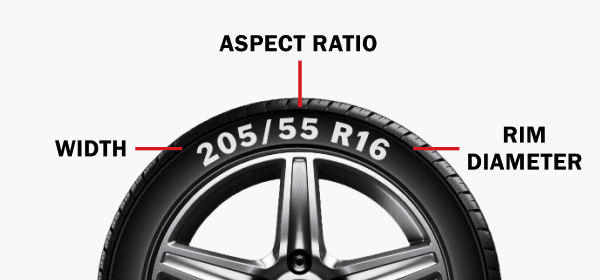
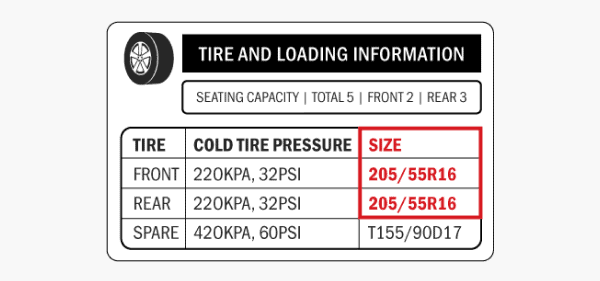
Where do I find my tire size?
Tire Sidewall
Inside Door Jamb
Tire Sidewall that shows width, aspect ratio, and rim diameter
tire and loading information found on the inside of a door jam
Add a different rear tire size
Please select a different rear size from the front
All-Season
All-Weather
All-Terrain
Winter

All-Season

All-Season tires are versatile and suitable for warm and cool climates, but not recommended for extreme hot or cold weather conditions because of specific rubber components.

All-Weather

Like their name suggests, all-weather tires are versatile and can perform well in a variety of weather conditions and can be severe snow-rated.

All-Terrain

With bigger treads than traditional all-season tires, all-terrain tires allow for both on and off-roading capabilities.

Winter

Winter tires are manufactured to perform well in snow, ice, sleet and other cold weather conditions. Winter tires are typically soft, with an intricate grooved tread pattern — made for holding compacted snow and creating traction — and are severe snow-rated.