Anti-Lock Brake System (ABS)
If your anti-lock brake system light is on, come see our Certified Automotive Professionals. We will diagnose and fix any ABS issues.
VIP REBATE ROUND UP! Save over $300 with rebates and instant savings today!
Goodyear, Cooper, Kelly, Vredestein, Michelin, BF Goodrich, Milestar, and General Tire!
Book Online!
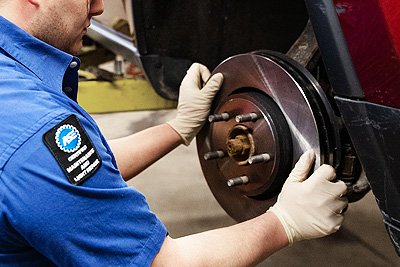
Being able to slow down or stop at a moment’s notice helps avoid accidents, which makes brakes one of the most critical aspects of your vehicle’s safety. There are two types of brakes — disc and drum.
Disc brakes consist of a disc, also known as a rotor, that spins along with your wheels. To stop your wheels, brake pads, which are located inside the caliper, press against the rotor to prevent it from turning.
With Drum brakes, the brake drum spins along with the wheels. When you want to stop, the brake shoes contained inside press outward using friction. As the friction slows the brake drum, the vehicle slows.
At VIP, our certified automotive professionals will check your brakes for FREE, measure the depth of your brake pads, and let you know if anything needs to be replaced or repaired.

If you notice any of these things, it’s important to immediately have your brakes inspected:
Read More
Read More
Read More
Read More


At VIP we understand what your car means to you. All of our employees, from our customer service representatives to our world-class ASE-certified master technicians believe in getting the job done right. We walk you through the work to be done before we begin, including live-feed reviews of your vehicle and copies of your multipoint inspection sent straight to your phone.
With over 32,000 positive Yelp and Google reviews you know you can trust us to be reliable, transparent, and sincere







Yes, our visual brake inspection is free at VIP. Our Certified Automotive Professionals will inspect your brake system and let you know if any components are wearing down or may need attention. Keep in mind, this inspection does not include removing the wheels or taking precise measurements. If you want a more detailed assessment of your brake system, we recommend our Advanced Brake Inspection, which includes measurements and additional testing.
There are several reasons your car may take longer to stop than it used to, including worn brake components like rotors or drums. Reduced braking performance is a safety concern that’s worth addressing as soon as possible. Our Certified Automotive Professionals can help identify the cause with a free visual brake check at any VIP location.
A steering wheel that shakes while braking is usually a sign of warped rotors and/or uneven brake rotor wear. Our Certified Automotive Professionals can perform a free visual brake inspection to help identify the issue, or we can provide more detailed measurements with a paid Advanced Brake Inspection. Either way, our team will help you understand why your steering wheel is shaking and what steps may be needed to fix it.
The difference between disc brakes and drum brakes comes down to how they create friction to stop your vehicle. Disc brakes use brake pads that squeeze a spinning rotor, while drum brakes use brake shoes that press outward against the inside of a spinning drum. Both systems perform the same job, and our Certified Automotive Professionals can service both types.
Signs you may need new brake rotors or drums include squeaking or grinding noises, longer stopping distances, your vehicle pulling to one side, or changes in how the brake pedal feels.
Be the first to know about deals, rebates, and more!
Log in or Create an account to save vehicles and more.
 All-Season
 All-Weather
 All-Terrain
 Winter
All-Season tires are versatile and suitable for warm and cool climates, but not recommended for extreme hot or cold weather conditions because of specific rubber components.
Like their name suggests, all-weather tires are versatile and can perform well in a variety of weather conditions and can be severe snow-rated.
With bigger treads than traditional all-season tires, all-terrain tires allow for both on and off-roading capabilities.
Winter tires are manufactured to perform well in snow, ice, sleet and other cold weather conditions. Winter tires are typically soft, with an intricate grooved tread pattern — made for holding compacted snow and creating traction — and are severe snow-rated.