Education Center
Here to Help. Always.
Car riding rough? Buy 3 Shocks/Struts and get 1 FREE! You deserve a smooth ride. Turn to VIP!
Book Online!


Sleep. It’s something we all need and something of which we don’t get enough. According to the CDC, 1 in 3 Americans aged 18-60 get less than 7 hours of sleep a night. Lack of good night’s sleep, schedule changes (such as changing the clocks), and certain medications can all lead to drowsy driving.
In 2017, NHTSA (National Highway Traffic Safety Administration) released that drowsy driving was responsible for 91,000 motor vehicle accidents resulting in 50,000 injuries and 800 deaths. In addition, a report from AAA has said more than 40% of drivers have admitted to falling asleep behind the wheel.
What is Drowsy Driving, and why is it so dangerous? The CDC defines drowsy driving as the dangerous combination of driving, sleepiness,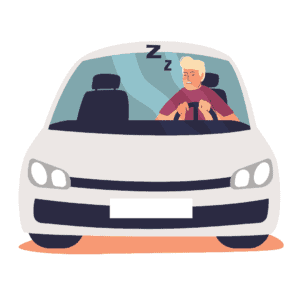 and fatigue since it’s hard to know precisely when sleep overtakes your body—driving while tired can also affect you in other ways before falling asleep. It shares similar symptoms to driving under the influence, such as blurred vision, poor decision-making skills, inability to accurately tell the depth or distance between vehicles, and slow reaction time.
Unlike drinking and driving, where you can consciously decide not to partake in dangerous activities, almost anyone is susceptible to drowsy driving. Even the most experienced drivers can nod off or miss the signs.
Some of the signs of drowsy driving are:
If you notice you are suffering from any of the symptoms above, you should:
Now that you know the signs and what to do if you find yourself driving while tired, here are some tips you can take to prevent driving while sleepy.
Read More
Read More
Read More
Read More
Be the first to know about deals, rebates, and more!
Log in or Create an account to save vehicles and more.
 All-Season
 All-Weather
 All-Terrain
 Winter
All-Season tires are versatile and suitable for warm and cool climates, but not recommended for extreme hot or cold weather conditions because of specific rubber components.
Like their name suggests, all-weather tires are versatile and can perform well in a variety of weather conditions and can be severe snow-rated.
With bigger treads than traditional all-season tires, all-terrain tires allow for both on and off-roading capabilities.
Winter tires are manufactured to perform well in snow, ice, sleet and other cold weather conditions. Winter tires are typically soft, with an intricate grooved tread pattern — made for holding compacted snow and creating traction — and are severe snow-rated.