Education Center
Here to Help. Always.
Car riding rough? Buy 3 Shocks/Struts and get 1 FREE! You deserve a smooth ride. Turn to VIP!
Book Online!

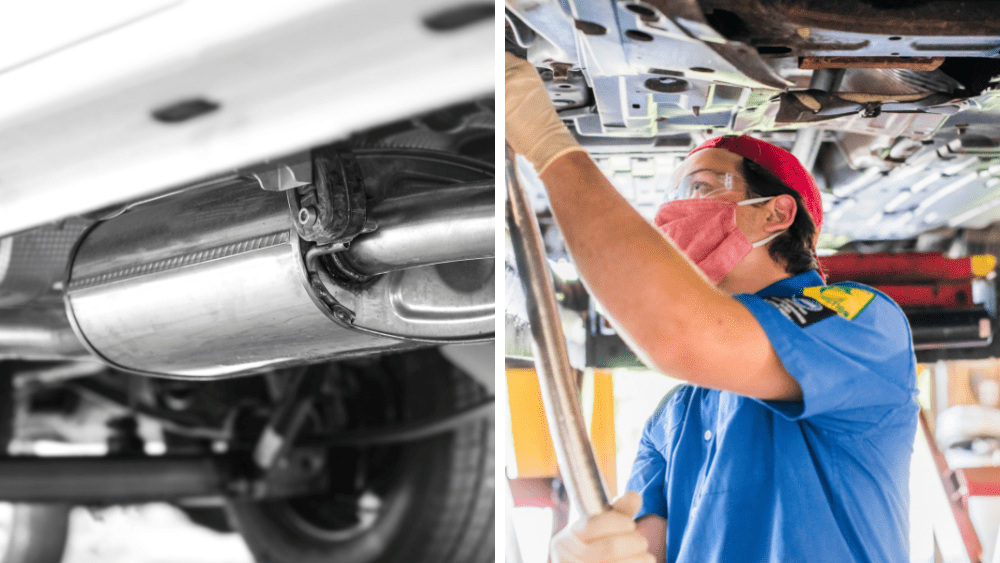
Featuring VIP Master Tech, Troy Hawkes
Do you know what or where the catalytic converter is on your vehicle?
If your reaction is, “the cat-a-what” – you’re not alone.
We asked VIP ASE Certified Master Tech, Troy Hawkes of our Scarborough, Maine location to give us the low down on catalytic converters. A part that he describes as, “a very important part of a vehicle where you definitely don’t want to ignore warning signs of trouble.”
Fancy name? Perhaps, however its name defines the very task that it was designed to accomplish. Pollution reducer would be another acceptable name for it.
The catalytic converter controls the emissions system to your vehicle; it converts pollutants produced by the vehicle to a less toxic release. There’s all kinds of really cool science happening in your vehicle every day but this one is a favorite. It’s based in thermodynamics – cool, right? Troy reminds us that this is, “one way that our cars breathe, making it an important part of entire system’s ability to function.”
Most vehicles run on gasoline or diesel, which produces carbon monoxide, as well as volatile organic compounds (VOCs) and nitrogen oxides that are key contributors to pollution. The catalytic converter contains catalysts that trigger a chemical reaction and convert your car’s exhaust every time your vehicle is running. That carbon monoxide and other pollutants make their way through the catalytic converter, and, if it does its job, transforms them into less harmful exhaust, such as nitrogen and oxygen gasses.
While that science lesson is helpful, what you really want to know is how to spot trouble in your vehicle’s catalytic converter. Remember, if it’s not working properly, those pollutants are making their way into our air. “Fortunately, there are warning signs,” Troy says. “Most times, it can be repaired quickly and inexpensively if taken care of right away. Ignoring signs can leave you stranded and with a hefty repair bill.”
Three warning signs include:
Your local VIP ASE-certified Master Tech has ways to diagnose what’s causing your catalytic converter to fail. Oftentimes there is a leak, bad sensor, or a blockage that, if found early, can be repaired quickly. If the issue is ignored, it will eventually demand attention as your vehicle could lose power, stall the engine or even overheat. Plus, all those pollutants are being released from your exhaust into the atmosphere.
In the meantime, don’t ignore your check engine light when it goes on – even though it feels like a pain. Also, be sure to keep up on your vehicle’s preventative maintenance.
“Maintenance is key for the overall life of all of our vehicles,” says Troy. “If everyone followed up on regular preventative maintenance, most vehicles would be on the road much longer.”
If you suspect something isn’t right with your exhaust system or catalytic converter, stop by ANY of VIP Tires & Service’s 56 locations for a free multi-point vehicle inspection. No appointment necessary.
Read More
Read More
Read More
Read More
Be the first to know about deals, rebates, and more!
Log in or Create an account to save vehicles and more.
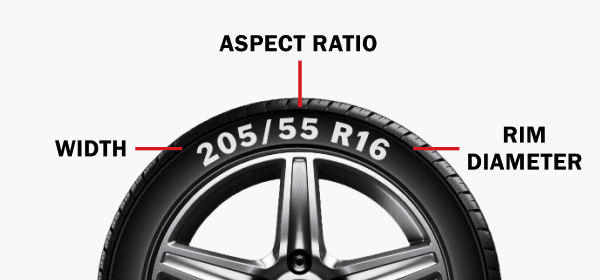
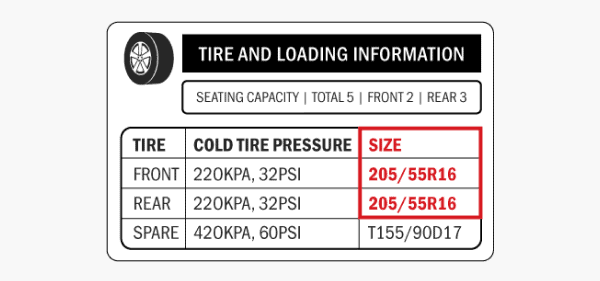
 All-Season
 All-Weather
 All-Terrain
 Winter
All-Season tires are versatile and suitable for warm and cool climates, but not recommended for extreme hot or cold weather conditions because of specific rubber components.
Like their name suggests, all-weather tires are versatile and can perform well in a variety of weather conditions and can be severe snow-rated.
With bigger treads than traditional all-season tires, all-terrain tires allow for both on and off-roading capabilities.
Winter tires are manufactured to perform well in snow, ice, sleet and other cold weather conditions. Winter tires are typically soft, with an intricate grooved tread pattern — made for holding compacted snow and creating traction — and are severe snow-rated.