Advanced Multi Point Inspection
Oil keeps many components of your engine working efficiently. Keep it performing optimally with a VIP oil change.
Dog days of Summer are here! Stay cool with FREE A/C check + $50 off A/C services.
Plus save up to $120 off Vredestein tires and MORE with rebates!
Book Online!
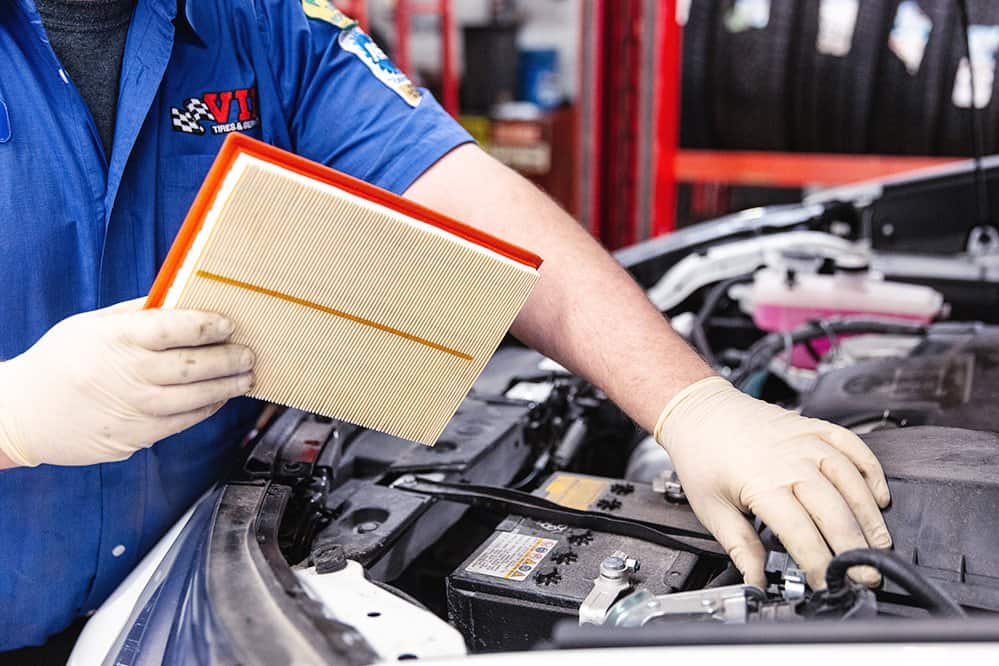
Every vehicle has four main filters: oil, air, fuel, and cabin air. Each performs an important job when it comes to keeping your vehicle running efficiently. Replacing these filters regularly is a best preventative maintenance practice.


Considering that most people spend almost six hours a week in their vehicle, having clean cabin air is important. If your cabin air filter becomes moldy or clogged, pollen and other allergens won’t be cleaned from the air you breathe while driving and mold spores may be floating around inside your vehicle. Any one of these things can impact your health.
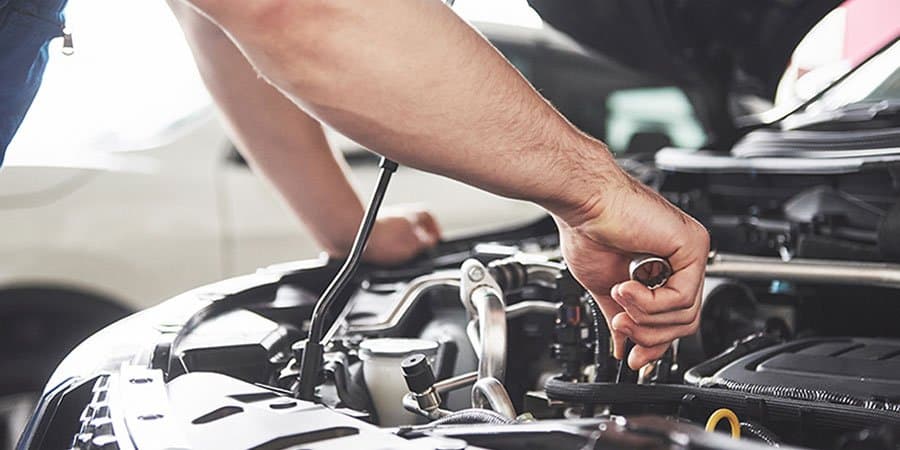
If you are experiencing any of the following, you probably need a new oil filter:


At VIP we understand what your car means to you. All of our employees, from our customer service representatives to our world-class ASE-certified master technicians believe in getting the job done right. We walk you through the work to be done before we begin, including live-feed reviews of your vehicle and copies of your multipoint inspection sent straight to your phone.
With over 32,000 positive Yelp and Google reviews you know you can trust us to be reliable, transparent, and sincere







How often you should change your car’s filters depends on the type of filter. Oil and air filters typically follow your oil change schedule, fuel filters are often replaced every 20,000–40,000 miles, and cabin air filters should be replaced at least once a year. We often recommend replacing cabin air filters before allergy season in the spring. Our Certified Automotive Professionals can help you keep track of your vehicle’s maintenance needs so it’s one less thing to think about.
Yes, a dirty cabin air filter can affect the air quality inside your vehicle and may aggravate allergies or sensitivities. A clogged or moldy filter can allow pollen, allergens, and mold spores to circulate through your cabin air system. If critters have nested in your vehicle, dander and waste can also contaminate the filter and circulate through the cabin. Since you spend a lot of time in your vehicle, keeping your cabin air filter clean and free of debris is worth it.
You may not notice obvious signs that your oil filter needs to be changed, which is why it’s important to replace it according to your vehicle’s recommended oil change schedule. At VIP, we change your oil filter with every oil change to help protect your engine and keep your oil clean. If you notice unusual engine noises, reduced performance, or other concerns, our Certified Automotive Professionals can help determine the cause.
The difference between an engine air filter and a cabin air filter is what they protect. The engine air filter keeps dust and debris from entering your engine, while the cabin air filter helps keep the air you breathe inside your vehicle cleaner. Both filters are important, but they serve different purposes.
No, you do not need to change all four filters at the same time. Each filter has its own replacement schedule based on factors such as mileage, time, and driving environment. Our Certified Automotive Professionals can check all four filters and recommend the services your vehicle actually needs.
Be the first to know about deals, rebates, and more!
Log in or Create an account to save vehicles and more.
 All-Season
 All-Weather
 All-Terrain
 Winter
All-Season tires are versatile and suitable for warm and cool climates, but not recommended for extreme hot or cold weather conditions because of specific rubber components.
Like their name suggests, all-weather tires are versatile and can perform well in a variety of weather conditions and can be severe snow-rated.
With bigger treads than traditional all-season tires, all-terrain tires allow for both on and off-roading capabilities.
Winter tires are manufactured to perform well in snow, ice, sleet and other cold weather conditions. Winter tires are typically soft, with an intricate grooved tread pattern — made for holding compacted snow and creating traction — and are severe snow-rated.