Anti-Lock Brake System (ABS)
If your anti-lock brake system light is on, come see our Certified Automotive Professionals. We will diagnose and fix any ABS issues.
Dog days of Summer are here! Stay cool with FREE A/C check + $50 off A/C services.
Plus save up to $120 off Vredestein tires and MORE with rebates!
Book Online!
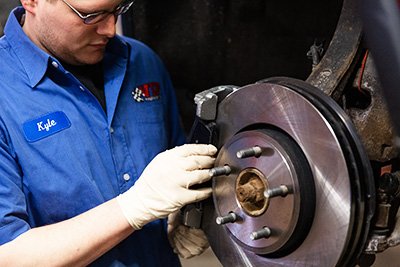
Brake pads enable your vehicle to slow down or stop. They do so by squeezing together onto the spinning disk rotor, which either slows it down or brings it to a stop when you press down on your brake. Over time, this friction wears your brake pads out.
At VIP, our Certified Automotive Professionals will check your brakes for FREE, measure the depth of your brake pads, and let you know if they need to be replaced.

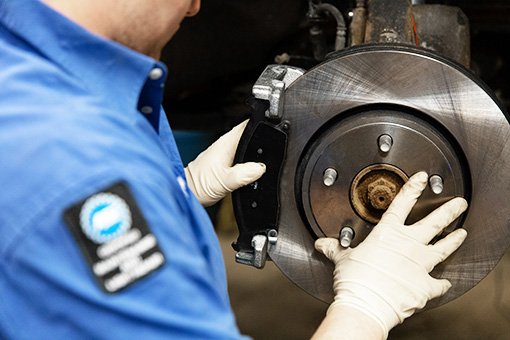
Brake pads typically last about 50,000 miles. However, that can change dramatically depending on how and where you drive. Regular inspection is the safest method to determine if it’s time to change them out.
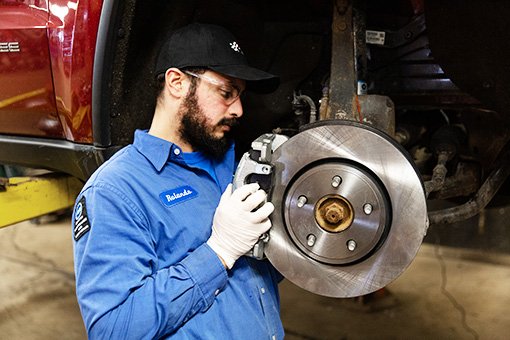
Ways to extend the life of your brake pads include:
Read More
Read More
Read More
Read More

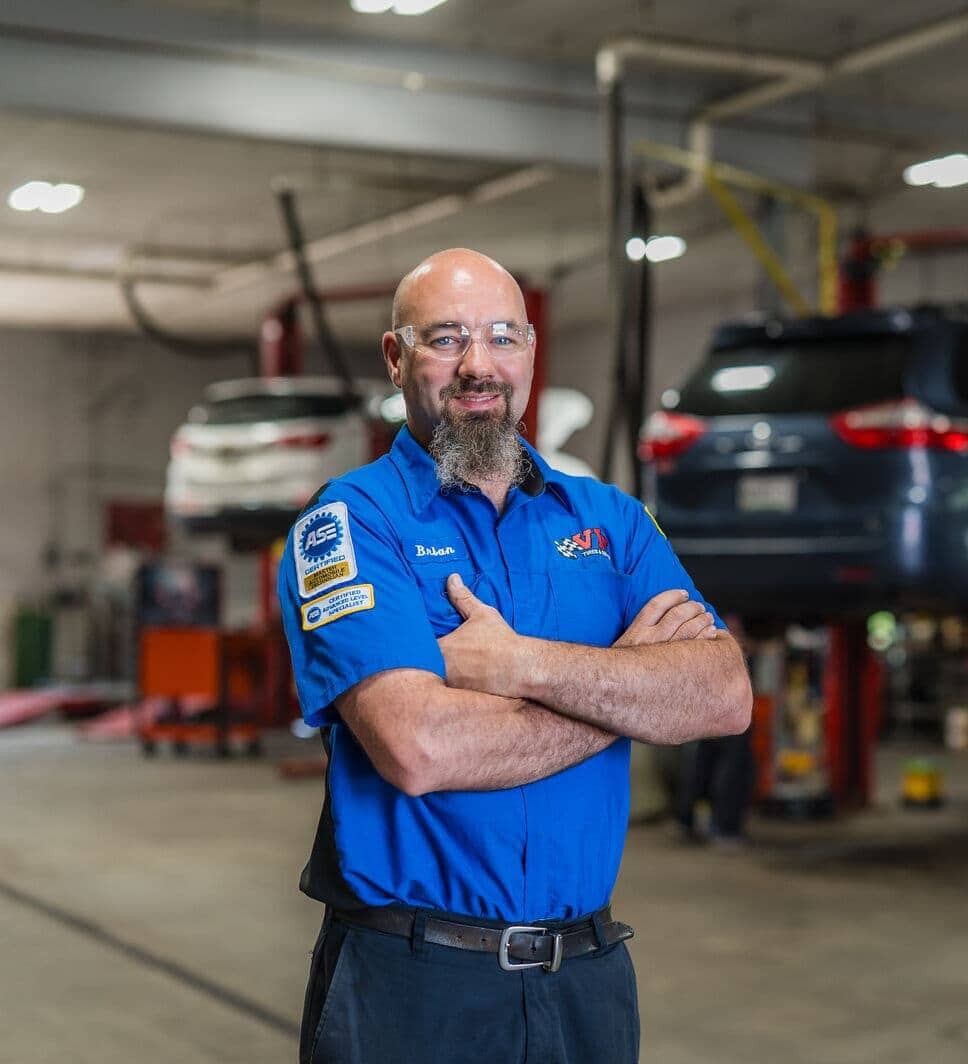
At VIP we understand what your car means to you. All of our employees, from our customer service representatives to our world-class ASE-certified master technicians believe in getting the job done right. We walk you through the work to be done before we begin, including live-feed reviews of your vehicle and copies of your multipoint inspection sent straight to your phone.
With over 32,000 positive Yelp and Google reviews you know you can trust us to be reliable, transparent, and sincere







Signs that your brakes need attention include squealing or squeaking when you brake, grinding sounds (a sign your pads are down to metal on metal — act fast), a soft or spongy brake pedal, your vehicle pulling to one side when braking, or vibration through the pedal. Brakes are one area where you don’t want to wait.
The cost per axel for brake replacement varies depending on your vehicle and the type of brake system you have.
Brake pad lifespan depends on how you drive. Most pads last somewhere between 30,000 and 70,000 miles, but stop-and-go city driving can wear them down much faster than highway miles.
The difference between squealing and grinding brakes matters. Squealing is often an indicator that your brake pads are getting low — not an emergency, but something to address soon. Grinding is more serious. It typically means your pads have worn down to metal and could be damaging your rotors. If you hear grinding, don’t wait.
It is not safe to drive for long with worn brake pads or a soft brake pedal. Worn brake pads mean longer and less predictable stopping distances. A soft or spongy pedal can signal air or moisture in your brake line, which affects how quickly and safely you can stop. Either condition makes braking unpredictable.
While it’s not required, at VIP we highly recommend changing pads and rotors at the same time because of the sometimes imperceptible differences or grooves in the rotor, which will actually wear your brake pads faster. We also recommend changing rotors if they’re thin, warped, or damaged. We’ll inspect your rotors every time so that you’ll know exactly what’s needed.
The difference between brake pad types comes down to performance, noise, cost, and longevity. Ceramic pads are quieter, produce less dust, and last longer — great for daily drivers but typically the most expensive. Semi-metallic pads offer strong stopping power and handle heat well, making them a good fit for demanding driving, though they can be noisier and harder on rotors. Organic pads are softer and quieter but wear faster and aren’t ideal for heavy use — usually the least expensive option. Not sure which is right for you? Stop into any VIP location and we’ll point you in the right direction.
Be the first to know about deals, rebates, and more!
Log in or Create an account to save vehicles and more.
 All-Season
 All-Weather
 All-Terrain
 Winter
All-Season tires are versatile and suitable for warm and cool climates, but not recommended for extreme hot or cold weather conditions because of specific rubber components.
Like their name suggests, all-weather tires are versatile and can perform well in a variety of weather conditions and can be severe snow-rated.
With bigger treads than traditional all-season tires, all-terrain tires allow for both on and off-roading capabilities.
Winter tires are manufactured to perform well in snow, ice, sleet and other cold weather conditions. Winter tires are typically soft, with an intricate grooved tread pattern — made for holding compacted snow and creating traction — and are severe snow-rated.