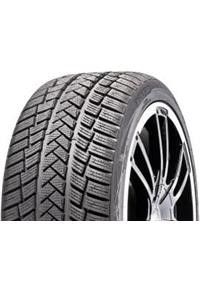
Find The Right Snow Tires For You With VIP Tires & Service
Before you buy your next set of winter tires, ask one of VIP’s Certified Automotive Professionals for advice regarding the option that makes the most sense for you.
Buy 4 tires installed with Tire Maintenance++ and an alignment – save $100 INSTANTLY!
Shop today!

Before you buy your next set of winter tires, ask one of VIP’s Certified Automotive Professionals for advice regarding the option that makes the most sense for you.
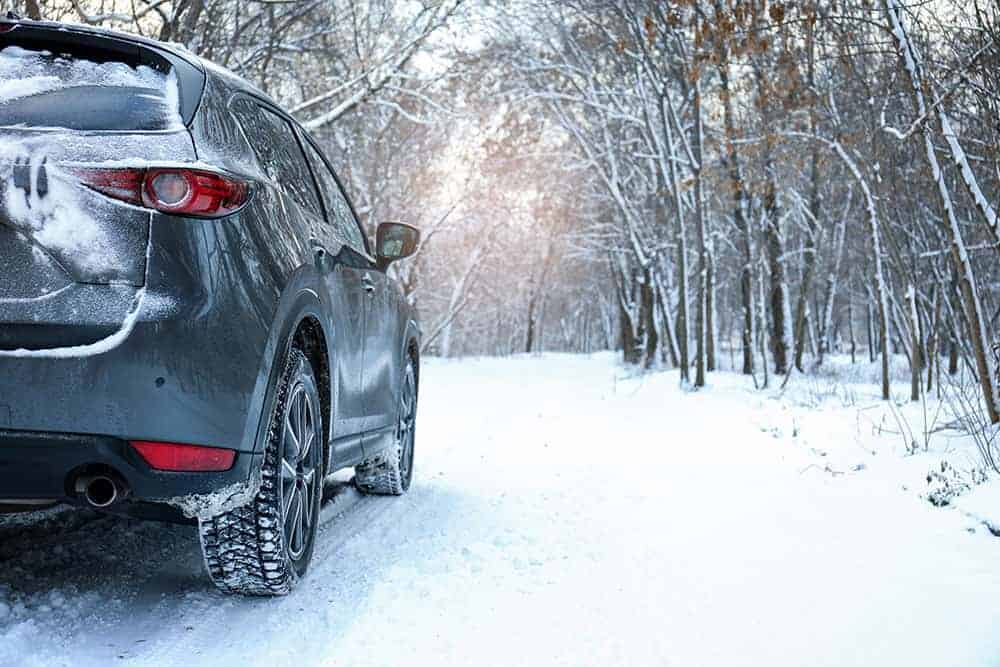
Winter tires are made of a special rubber that gives them a better grip and improved braking, even in extreme conditions. Whether your car or truck is 4-wheel, all-wheel, or 2-wheel drive, snow tires can give you peace of mind —even better, they will give you more control on the road.
If you live in a region where snow and ice occur, getting snow tires on your vehicle is one of the best ways to ensure you’re safe on the roads in inclement weather. They are specially designed to handle extreme road conditions and provide a more stable and reliable grip on the snowy and icy roads.
Winter tires are made of a specialized rubber that provides superior traction in the snow and cold. The rubber on regular tires does not perform as well in the cold, compromising grip and safety.
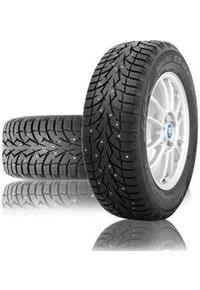
Studded winter tires are traditional snow tires that are equipped with metal studs throughout the tread to provide enhanced grip in extremely slippery or icy conditions. Non-studded winter tires, just as they sound, are just regular snow tires without metal studs.
The cost of snow tires will vary greatly depending on a number of factors: the size of the tires, the manufacturer, studded vs. studless, and more. Contact VIP to learn more about your specific vehicle.
It is recommended that you use winter tires in weather 45° degrees and below.
This will vary depending on manufacturer and the size of your tires, but generally speaking, studded tires are slightly more expensive than non-studded snow tires.
For New England states, studded tires are allowed during the following timeframes (subject to change): Maine: October 1 – May 1, Massachusetts: November 2 – April 30, New Hampshire: Year round, Rhode Island: November 15 – April 1, Vermont: Year round
If you’re only installing two winter tires, putting them on the rear of the vehicle decreases your risk of throwing your car into a rear-wheel skid. If you installed winter tires only in the front of a FWD vehicle, you greatly increase the risk of losing rear tire traction while braking or turning because your back wheels would have less grip.









Be the first to know about deals, rebates, and more!
Log in or Create an account to save vehicles and more.
 All-Season
 All-Weather
 All-Terrain
 Winter
All-Season tires are versatile and suitable for warm and cool climates, but not recommended for extreme hot or cold weather conditions because of specific rubber components.
Like their name suggests, all-weather tires are versatile and can perform well in a variety of weather conditions and can be severe snow-rated.
With bigger treads than traditional all-season tires, all-terrain tires allow for both on and off-roading capabilities.
Winter tires are manufactured to perform well in snow, ice, sleet and other cold weather conditions. Winter tires are typically soft, with an intricate grooved tread pattern — made for holding compacted snow and creating traction — and are severe snow-rated.