Education Center
Here to Help. Always.
Buy 4 tires installed with Tire Maintenance++ and an alignment – save $100 INSTANTLY!
Shop today!

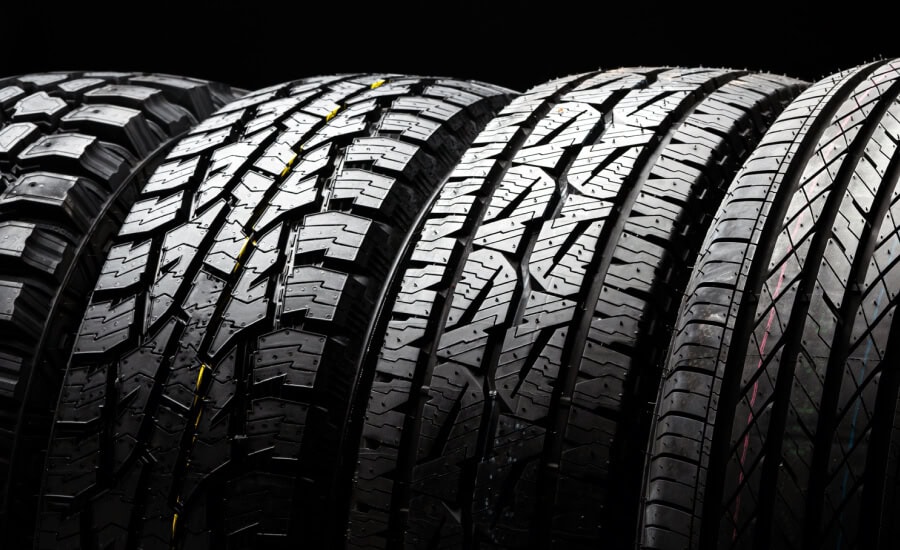
Are you looking for a high-performance driving experience for your sports or luxury sports vehicle? Then you may want to invest in a set of ultra-high performance (UHP) tires.
UHP tires will provide your vehicle with the highest level of performance you can get out of a tire, including faster acceleration, responsive and predictable handling at high speed, and better stopping power.
However, UHP tires do come with some considerations, notably trade-offs in longevity and comfort. So is it worth investing in a set of UHP tires, or are you better off with a solid set of regular all-seasons? Is a touring tire a better fit? And if you do want a set of UHP tires, should you get summer or all-season?
Let’s take a closer look at UHP tires to see if they’re the right choice of tire for you.
Ultra-high performance tires are designed to prioritize performance above all else, enhancing a vehicle’s grip on the road to maximize its acceleration, handling, and stopping power. UHP tires are constructed of durable — yet soft — rubber compounds that offer better traction and tire treads designed to resist the heat buildup that comes with driving at high speeds. UHP tires also have unique materials and design elements meant to optimize stability, steering responsiveness, and cornering safety.
Though UHP tires are sometimes commonly referred to as summer tires, there are actually five categories of “summer” driving street tires: Grand touring, high, ultra-high, maximum, and extreme performance. Additionally, advancements in tire design and technology have allowed for the creation of UHP tires that qualify as all-season tires. So, when we define what is a UHP tire, there are two considerations:
Summer UHP tires will have softer/stickier rubber compounds to maximize traction with the road. All-season UHP tires will have slightly less grip than UHP summer tires in warmer weather, but maintain better traction as the temperature drops.
Because they’re designed for higher speeds, UHP tires perform best on sportier vehicles, which can range from exotic sports cars to luxury sports sedans, performance-tuned versions of mainstream vehicles, or even some sports-utility vehicles (SUVs) or crossover-utility vehicles (CUVs).
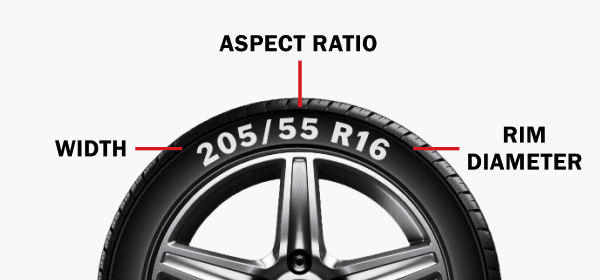
UHP tires will have higher level speed ratings in their tire designation. Tires with a maximum speed capability over 149 miles per hour (MPH) can include “ZR” in the designation and may include either a “W” for a maximum speed of 168 MPH or a “Y” for a maximum speed of 186 MPH.
Advantages and limitations of UHP tires
Ultra-high performance tires are specialized to enhance high-performance driving at higher speeds. They often have a lower tread depth, reinforced sidewalls, and softer rubber compounds than other types of tires. Thanks to their design, a UHP tire will provide you with:
However, that increase in performance does come with some trade-offs. Due to the stiffer nature of the tires’ sidewall, UHP tires have a noisier and bumpier ride than other tires — though some driving enthusiasts see this as more of a feature as they’re better able to “feel the road” with UHP tires.
The other major considerations for ultra-high performance tires involve their winter weather performance, longevity, and price point:
Much like standard all-season tires, UHP all-season tires are ideal for drivers in four-season climates who prefer the convenience of one set of tires for year-round use. Just like regular all-season tires, UHP all-season tires are designed to handle a wide variety of weather conditions and seasons, including hot summer days, cold rain, and light snow.
Unlike UHP summer tires which have more rigid tread patterns and fewer sipes, the tread pattern of UHP all-season tires is designed to handle most levels of precipitation, including muddy weather and light amounts of snow. You can identify if a UHP tire is an all-season tire if it has the Mud+Snow (M+S) marking on the tire sidewall.

UHP all-season tires are a good option for drivers who live in seasonal areas that don’t see a lot of snow and don’t want to bother with needing to change out a set of UHP summer tires during winter. By sacrificing some of their dry grip for better seasonal performance, UHP all-seasons do lack some of the cutting edge performance of a set of UHP summer tires.
It should be noted that UHP all-season tires are not winter tires, and will not offer good traction over packed snow or ice. If you’re regularly driving in snowy or icy conditions in the winter, then it’s highly recommended you also invest in a set of all-weather or winter tires.
Advantages and limitations of all-season tires:
Standard all-season tires are regularly rated the most popular tire of choice due to their versatility and value, and UHP all-season tires offer much of the same level of convenience, though at a higher price point than regular all-seasons.
Though they’re not considered a true four-season tire, as they’re not suited for driving in heavy snow conditions, all-seasons can be a great year-round tire in locations with milder winters or little to no snowfall. Top-of-the-line UHP all-season tires can be surprisingly good in light snow conditions.
The larger tread block of all-season tires provides a good balance of grip and handling along with a quieter and smoother ride compared to UHP summer tires. Also, due to their harder rubber compounds, all-season tires tend to last longer than dedicated summer or winter tires when properly maintained.
There are some considerations to note before deciding to purchase a set of all-season tires, especially if you’re thinking spending more for UHP all-seasons:
Which all-season tire is the right tire for you? See our most recent review of the best all-season tires.
Performance Comparison: UHP vs. Regular All-season
Rating guide: X – Good XX – Better XXX – Best
| UHP Summer | UHP All-season | All-season | |
| Performance on dry roads | XXX | XXX | XX |
| Handling on wet roads | XXX | XXX | XXX |
| Traction on light snow and rough ice | — | X | X |
| Noise and comfort | X | X | XX |
| Longevity and wear | X | X | XX |
| High speed handling | XXX | XXX | X |
| Pricing, starting at* | $100 | $89.99 | $64.99 |
*These are estimated starting prices. All tires will vary in price depending on the manufacturer, design, and quality of the product. For specific prices, reach out and request a quote for tires appropriate for the make and model of your vehicle.
Which tire is best for your vehicle will depend on your needs and circumstances.
Ultra-high performance tires are worth it if you’re a driver who prioritizes superior handling, grip, and performance in your driving experience. They are ideal for sports cars and driving enthusiasts who want an exhilarating ride.
However, UHP tires do come at a higher cost, don’t offer the same level of comfort as regular all-season or touring tires, and may not be suitable for all driving conditions.
Bottom line: If you don’t have a high-performance or sporty vehicle and don’t have the opportunity to drive at higher speeds, then you’re not likely to get the most out of a set of UHP tires.
If you are planning to purchase a set of UHP tires, you will get better performance in the summer months from UHP summer tires compared to UHP all-season tires. UHP tires also tend to be better at preventing hydroplaning at highway speeds than regular all-season tires. However, you will need to switch out your UHP summer tires for winter tires once the average temperature drops below 40 degrees.
See more comparison between different types of tires in our all-season vs. snow vs. studded tires blog post.
UHP tires are mainly found on high-end or exotic sports cars or luxury sports sedans. Today, manufacturers are increasingly offering UHP tires on performance-tuned versions of mainstream vehicles, sporty electric vehicles (EVs), and even sporty SUVs or CUVs.
If you purchase a car with UHP tires, it’s generally recommended that you replace them with a new set of UHP tires, either summer or all-season.
If you’re interested in a high-end driving experience, you can also consider a set of touring or grand touring tires.
Touring tires are designed to deliver more comfortable and reliable all-season traction, along with more responsive handling. While touring tires won’t measure up to the high level of performance of a set of UHP tires, they’ll definitely give you a quieter, smoother, more comfortable ride.
Touring tires usually offer a longer life when well-maintained, averaging around 60,000 miles, which is similar to all-season tires. Touring tires also handle similarly to all-season tires across different climates, offering steady performance in a range of seasons.
Grand touring tires are considered higher-end touring tires, offering near UHP-level grip and handling while still prioritizing reduced noise and comfort. As a result, grand touring tires will also cost more than a set of touring tires.
What is an ultra-high performance tire?
An ultra-high performance (UHP) tire is a specialized tire designed for the best possible performance at higher speeds. UHP tires are meant for sports cars or other performance-tuned vehicles.
Can I use UHP tires all year?
In New England, this depends on the type of UHP tire. UHP summer tires aren’t meant to be driven in the winter, as their performance drops significantly in colder weather. UHP all-season tires can be driven year-round, but are meant for driving only in light snowy conditions. You’ll want a set of winter tires if you’re regularly driving on snow or ice in winter.
How long do UHP tires last?
Because they’re made of softer rubber compounds to provide better traction and are often driven at higher speeds, UHP tires won’t last as long as other types of tires. Most UHP summer tires will last up to 40K miles.
UHP tires are an investment in your driving experience. To ensure they continue to provide a top-tier performance you’ll want to take proper care of them. Here’s our top tire maintenance tips to ensure that your UHP tires go the distance:
If you want the highest-level of performance of your vehicle, then ensure that your vehicle is always performing at its best with the right set of tires.
Our certified automotive professionals can inspect your tires for free to ensure they’re properly inflated, balanced, and aligned. They can also help you find the perfect set of UHP tires so you can enjoy the best possible performance.
Visit us at one of over 70+ locations throughout the Northeast. Walk-ins Welcome!
Schedule Service Get a Free QuoteRead More
Read More
Read More
Read More
Be the first to know about deals, rebates, and more!
Log in or Create an account to save vehicles and more.
 All-Season
 All-Weather
 All-Terrain
 Winter
All-Season tires are versatile and suitable for warm and cool climates, but not recommended for extreme hot or cold weather conditions because of specific rubber components.
Like their name suggests, all-weather tires are versatile and can perform well in a variety of weather conditions and can be severe snow-rated.
With bigger treads than traditional all-season tires, all-terrain tires allow for both on and off-roading capabilities.
Winter tires are manufactured to perform well in snow, ice, sleet and other cold weather conditions. Winter tires are typically soft, with an intricate grooved tread pattern — made for holding compacted snow and creating traction — and are severe snow-rated.