Shock & Strut Replacement
Shocks and struts keep your vehicle balanced and riding smoothly by contributing to the overall safety and stability of its steering and suspension. Ensure yours are in good condition with a visit to VIP.
Buy 4 tires installed with Tire Maintenance++ and an alignment – save $100 INSTANTLY!
Shop today!

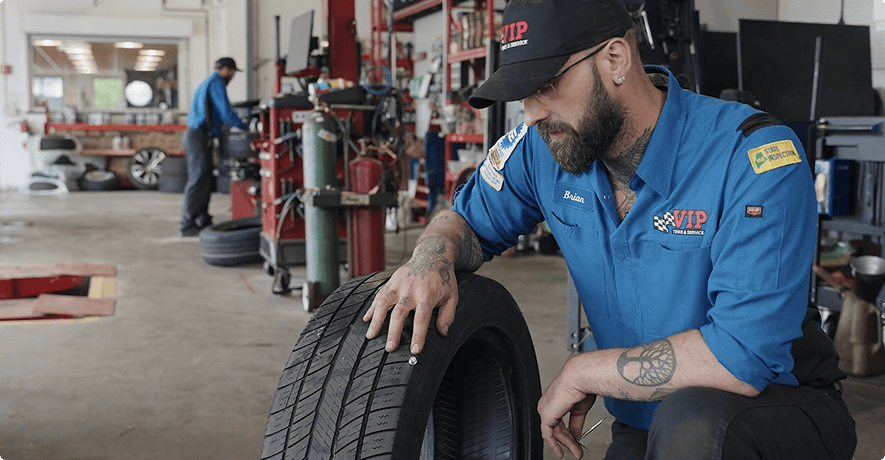
Many people choose to get their tires repaired instead of replaced to save money. Choosing the wrong option could result in a blown tire.
Your VIP Certified Automotive Professionals will check your tires for FREE, and advise you of the best option.

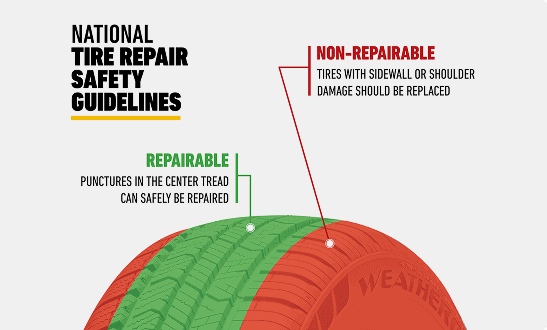
Take the mystery out of opting to repair or replace a tire with these simple guidelines.
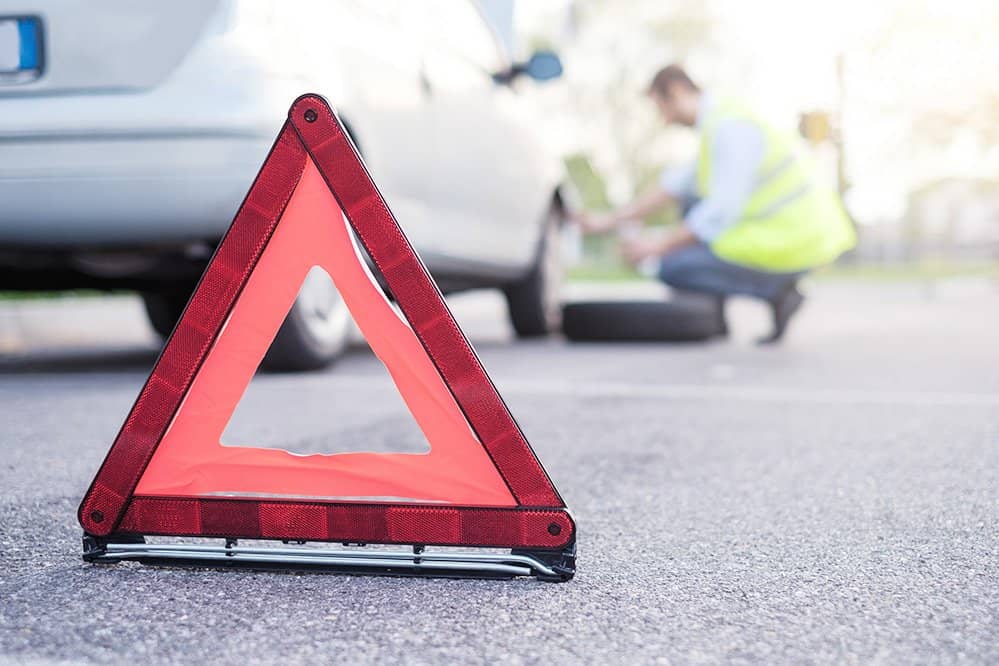
Getting a flat is never fun, but at least you can stay safe with these tips:

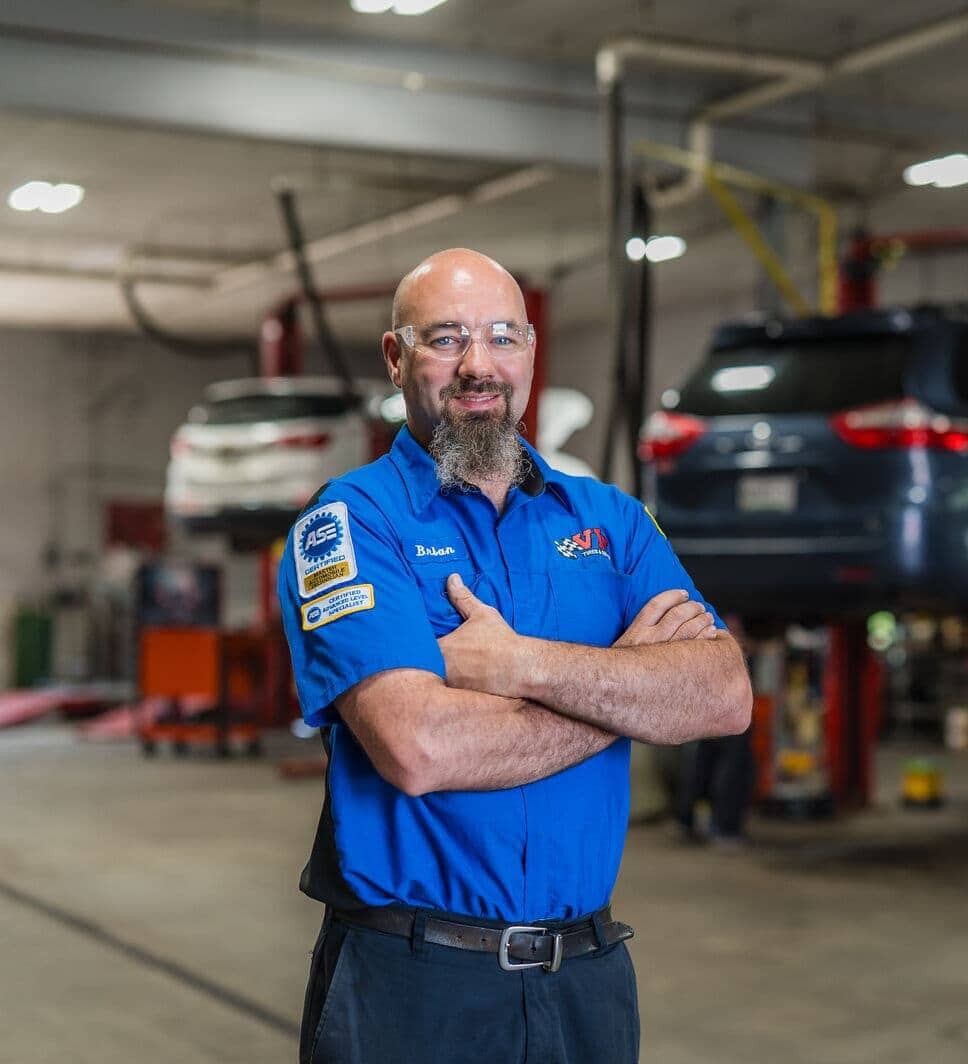
At VIP we understand what your car means to you. All of our employees, from our customer service representatives to our world-class ASE-certified master technicians believe in getting the job done right. We walk you through the work to be done before we begin, including live-feed reviews of your vehicle and copies of your multipoint inspection sent straight to your phone.
With over 32,000 positive Yelp and Google reviews you know you can trust us to be reliable, transparent, and sincere







Because you deserve tire experts who truly know what they’re doing and want to provide the best possible service. At VIP Tires & Service, every flat tire repair is performed by TIA-certified technicians trained to follow the highest industry standards for safe, reliable tire service.
We will inspect your tires for free and recommend whether the tire is repairable or should be replaced. You’ll always know what we’re recommending and why. We back our expertise with honest guidance, clear pricing, and respect for your time. And with stores open seven days a week, we’re here when you need us.
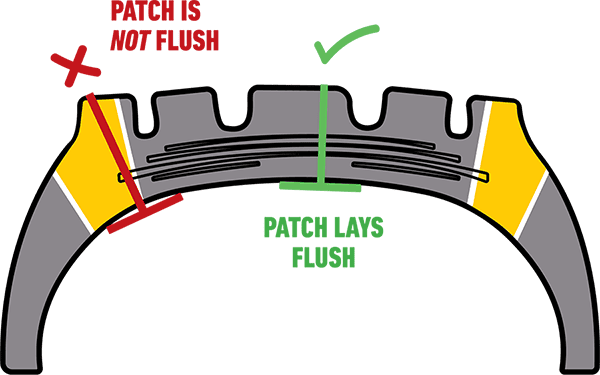
The safe, permanent, and proper repair of a tire includes:
This method restores safety and performance for the remaining life of the tire when done correctly. At VIP, every repair is done by a TIA certified technician, so you can drive with confidence.
Flat tires are most commonly caused by punctures from nails, screws, glass, or other road debris. Hitting potholes or curbs can also damage the tire or break the seal between the tire and rim. Additionally, flat tires can result from a loss in pressure due to wear and tear, often from sidewall damage, valve stem leaks, or a worn tread.
Temperature changes can also reduce the air pressure in a tire, and driving on an underinflated tire can permanently manage the tire. Whatever the cause of your flat tire, our Certified Automotive Professionals will inspect your tire inside and out to find the issue and get you safely back on the road.
No. Driving on a flat tire can permanently damage the tire, as well as your vehicle’s wheel, suspension, and braking performance. Driving even a short distance on a flat tire can turn a simple repair into a full replacement.
Run-flat tires are an exception and can typically be driven up to 50 miles at speeds under 50 mph. However, they will require replacement after being driven while flat.
If you do get a flat tire, slow down gradually, turn on your hazard lights, and pull over somewhere safe. Once you’re safely off the road, you can install a spare tire or call roadside assistance.
Tire repair costs vary depending on the damage and whether the tire is repairable. Repairs are significantly less expensive than replacement. Replacement tires for passenger vehicles typically range from $100–$350+ installed, depending on the vehicle and tire type.
If the tire is repairable and you have VIP’s Tire Maintenance, it is free to repair your tire. Tires that were not purchased from VIP or do not have Tire Maintenance will cost $49.00 to repair. If the tire needs to be replaced, a new tire typically costs between $100–$350+ for passenger cars and trucks when including installation.
Wherever you get your flat tire repaired or replaced, clear pricing should always be provided upfront.
How fast and far you can drive on a spare tire depends on what type of spare you have and whether the tire was properly repaired.
If you have a compact or “donut” spare, you can drive:
If you have a full-size spare:
After a proper patch repair:
When using a donut or space saver spare, be sure to check the air pressure as most are underinflated. If your tire was repaired at VIP, you can drive normally right away, as our repair restores full function and safety.
Our Certified Automotive Professionals follow strict industry guidelines set by the TIA (Tire Industry Association). To determine if a tire is beyond repair they will inspect:
If the tire’s structure has been compromised, replacement is always the safest option.
A few simple steps can prolong the life of your tires, saving you from flat tires and costly damage later on.
Routine maintenance helps catch issues early and reduces the risk of flats.
When performed properly using industry-approved methods, a tire repair is safe and does not void most manufacturer warranties.
Most tire manufactures allow one or more repairs as long as the puncture was in the tread area, the hole is ¼ inch or less, it is repaired with a patch plug combination from the inside, the tire was not driven on flat, and the repair follows TIA/manufacturer standards.
Improper outside-only plugs or DIY sealants may compromise safety and coverage. Rest assured that our team follows manufacturer-approved methods so you can drive worry-free.
Not all flat tires can be repaired. A tire can usually be repaired if it meets all of the following criteria:
A tire must be replaced if it has any of the following conditions:
At VIP Tires & Service, we’ll show you exactly what we find with your tire before making any recommendations to repair or replace — no surprises, just honest, professional advice.
Be the first to know about deals, rebates, and more!
Log in or Create an account to save vehicles and more.
 All-Season
 All-Weather
 All-Terrain
 Winter
All-Season tires are versatile and suitable for warm and cool climates, but not recommended for extreme hot or cold weather conditions because of specific rubber components.
Like their name suggests, all-weather tires are versatile and can perform well in a variety of weather conditions and can be severe snow-rated.
With bigger treads than traditional all-season tires, all-terrain tires allow for both on and off-roading capabilities.
Winter tires are manufactured to perform well in snow, ice, sleet and other cold weather conditions. Winter tires are typically soft, with an intricate grooved tread pattern — made for holding compacted snow and creating traction — and are severe snow-rated.